Master the Waves: Your Easy-Start Guide to RC Boating for Dads & Sons!

Hey there, fellow hobbyist! Are you looking for an exciting new way to bond with your son, get outdoors, and experience the thrill of the open water – all from the comfort of the shoreline? Then RC boating might just be your next big adventure! Imagine the excitement as your son pilots a sleek speed demon across a pond or navigates a nimble scale boat with precision. RC boating is a fantastic blend of speed, strategy, and hands-on fun, offering a unique opportunity for dads and sons to learn, play, and create lasting memories together. It’s easier to get into than you might think, and I’m here to guide you through it like a seasoned pro.
Why RC Boating? The Ultimate Father-Son Adventure
There’s something uniquely captivating about RC boats. Unlike land-based vehicles, the water adds an extra dimension of challenge and beauty. It’s not just about pushing a joystick; it’s about understanding the environment, the physics of hydrodynamics, and reacting to changing conditions. And when you’re doing it side-by-side with your son, the experience becomes truly special.
Beyond the Screen: Real-World Fun
In an age dominated by screens, RC boating offers a refreshing escape. It pulls you and your son away from the digital world and into the fresh air, fostering a healthy, active hobby. It’s an incredible teaching tool too! Kids develop:
- Hand-eye coordination: Navigating a boat requires precision and quick reflexes.
- Problem-solving skills: Dealing with wind, currents, or unexpected obstacles.
- Patience and persistence: Learning to control a boat takes practice, and retrieving a stalled boat teaches resourcefulness.
- An understanding of basic physics: How motors work, the effect of hull design, and the power of water.
- Responsibility: Learning to care for their equipment.
Most importantly, it’s an opportunity for quality time together. Cheering on each other’s runs, troubleshooting issues, or simply enjoying the peaceful setting by the water – these are the moments that truly matter.
A Hobby for All Ages
Whether your son is a curious 6-year-old or a speed-obsessed teenager, there’s an RC boat out there that will spark his interest. From robust, easy-to-drive models perfect for beginners to high-performance beasts that challenge even experienced drivers, the RC boating world has something for everyone. Dads, you’ll find yourselves just as hooked, reliving your own childhood dreams of captaining a vessel!
Diving In: What Kind of RC Boat is Right for You?
The world of RC boats is diverse, with models designed for everything from leisurely cruising to breathtaking speed. Understanding the basic types will help you narrow down your choices.
Types of RC Boats
For getting started, we’ll primarily focus on electric-powered boats, as they are the most common and easiest to maintain for beginners.
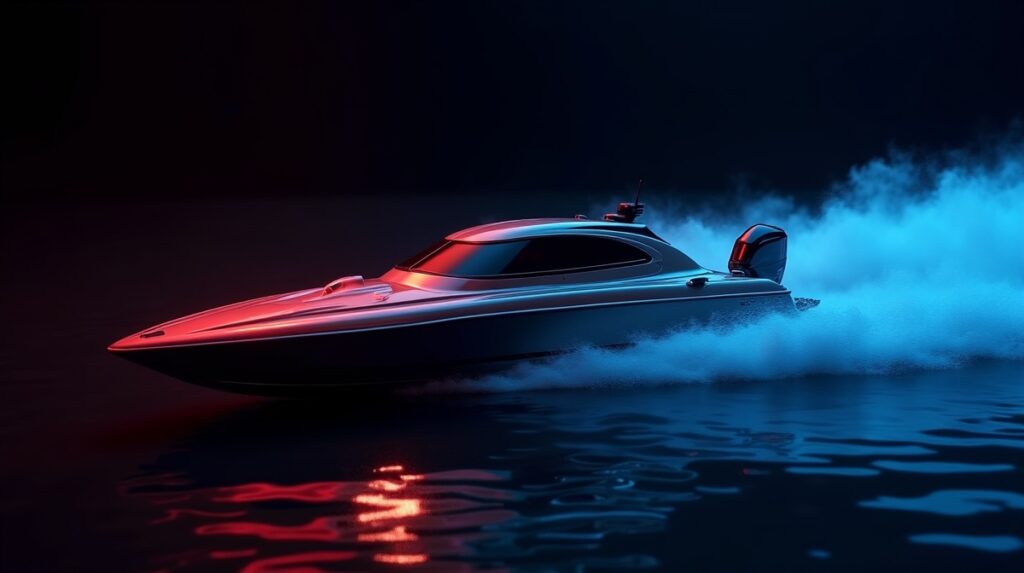
- Speed Boats (V-Hull, Catamaran, Hydroplane): These are often what people picture when they think of RC boats. Designed for exhilarating speed and agile handling, they’re perfect for wide-open water. V-hulls are stable and popular, while catamarans and hydroplanes offer even higher performance.
- Scale Boats: If realism and intricate detail are more your style, scale boats mimic real-life vessels like tugboats, fishing boats, or even warships. They tend to be slower and emphasize craftsmanship and realistic operation.
- Sailboats: While less common for beginner father-son speed runs, RC sailboats offer a unique challenge focused on harnessing the wind and strategic navigation. They’re a more tranquil, skill-intensive option.
Within these types, you’ll also encounter different motor technologies:
- Brushed Motors: These are common in entry-level boats. They are reliable, affordable, and generally offer good speed for beginners. They require a bit more maintenance over time but are very forgiving.
- Brushless Motors: Found in higher-performance boats, brushless motors are more powerful, more efficient, faster, and require less maintenance. They are a step up in performance and usually come with a higher price tag. For a first boat with a young son, brushed is often sufficient and safer.
Important Considerations for Beginners
When picking that first boat, keep these points in mind:
- Durability is Key: New drivers, especially younger ones, are bound to have a few bumps and scrapes. Look for robust construction and readily available replacement parts.
- Waterproofing: This seems obvious, but ensure the electronics compartment is well-sealed. A little splash is fine, but you don’t want water getting to critical components.
- Ready-to-Run (RTR): For an easy start, choose an RTR package. This means the boat, remote controller, battery, and charger (sometimes even AA batteries for the remote) are all included in the box, so you can literally charge and go.
- Battery Life & Type: Most RTR boats come with either NiMH (Nickel-Metal Hydride) or LiPo (Lithium Polymer) batteries. NiMH are safer and simpler to charge. LiPo batteries offer more power and longer run times but require special chargers and handling for safety. Many beginner boats use NiMH or are LiPo-ready, allowing you to upgrade later.
- Size/Scale: RC boats come in various scales like 1/10, 1/16, or 1/18. Smaller boats (e.g., 1/18) are great for smaller ponds or even swimming pools, while larger boats (e.g., 1/10) handle choppy water better and offer more presence but require more space.
What to Look For: Key Features for Your First RC Boat
Let’s dive into the specifics that make a good beginner RC boat stand out.
- Self-Righting Hull Design: This is a game-changer! If the boat flips over, you can often use the throttle on the remote to automatically flip it back upright. This saves you from having to retrieve it manually, which can be a real hassle.
- Water Cooling System: Even brushed motors can get hot. A water cooling system uses the boat’s movement through water to cool the motor and electronics, prolonging their life and ensuring consistent performance.
- Robust Construction: Look for sturdy ABS plastic hulls that can withstand minor impacts. Reinforced bows are a plus.
- 2.4GHz Radio System: This modern radio technology provides reliable control without interference from other RC vehicles. It also allows multiple boats to run simultaneously without cross-talk, perfect for father-son races!
- Ease of Maintenance: Can you easily access the battery compartment, motor, and propeller shaft for cleaning and lubrication? Simple access makes maintenance a breeze.
- Replacement Parts Availability: Accidents happen. Choosing a brand with good parts support means you can quickly get your boat back on the water if something breaks.
Setting Sail: Top Picks for Dads & Sons
Based on durability, ease of use, and overall fun factor, here are some excellent entry points into the RC boating world. These brands are known for quality and support, which is crucial for beginners.
Traxxas Blast
The Traxxas Blast is an absolute classic for a reason. It’s a fantastic entry-level, V-hull speed boat that perfectly balances speed and stability. Equipped with a powerful brushed motor, it zips across the water with impressive agility for its class. Traxxas is renowned for its durability and excellent parts support, making the Blast a worry-free choice for new drivers. It’s an RTR package, so you’re ready to hit the water almost immediately, needing only a charge. Perfect for medium-sized ponds and lakes, offering plenty of excitement without being overwhelming.
ProBoat Recoil 17
The ProBoat Recoil 17 is another superb option, often highlighted for its self-righting feature, which is a huge bonus for beginners. This V-hull boat is known for being fast and responsive, powered by a capable brushed motor setup. ProBoat is a dedicated RC marine brand, so their boats are well-engineered for water performance. The Recoil 17 is a bit more aggressive in performance than some other entry-level options, providing a thrill while still being manageable. It’s a great choice for those looking for slightly more speed right out of the box, in an easy-to-manage 17-inch size.
Redcat Racing Cyclone 18
Redcat Racing often provides great value, and their Cyclone 18 is a solid contender for a first RC boat. This V-hull design offers good stability and decent speed with its brushed motor system. Like the Traxxas Blast, it’s typically an RTR package, making it convenient. Redcat models are known for being robust, which is essential when learning the ropes. The Cyclone 18 strikes a good balance between performance and affordability, making it an accessible option for dads and sons eager to get started without a hefty initial investment.
ProBoat Jet Jam
If you’re looking for something a bit different and incredibly fun, the ProBoat Jet Jam is a fantastic choice. This compact, jet-powered boat is a blast to drive, especially in smaller bodies of water like pools or small ponds. Its jet drive means no exposed propeller, making it safer for younger kids and less prone to getting tangled in weeds. It’s super durable and features self-righting capabilities, so flips are no big deal. The Jet Jam might not be the fastest, but its unique handling and incredible agility make it an absolute joy and highly recommended for pure, splashy fun.
Gearing Up: Essential Accessories & Maintenance Tips
Getting your boat is just the first step! A few accessories and good habits will ensure your RC boating adventures are smooth sailing.
Must-Have Gear
- Extra Batteries & Charger: One battery is never enough! Get at least one spare for extended fun. If using LiPo batteries, invest in a quality LiPo-compatible charger and a LiPo safety bag.
- Marine Grease: For lubricating the flexible drive shaft (where the prop connects to the motor). This is crucial for performance and longevity.
- Tools: A small set of hex drivers and screwdrivers will be invaluable for minor adjustments or repairs.
- Towels/Rags: To dry off your boat after use and clean up any drips.
- Water Retrieval Device: A simple fishing rod or a dedicated retrieval boat can save the day if your boat gets stranded far from shore. Never swim after a stalled RC boat!
Keeping Your Boat Shipshape
A little care goes a long way:
- Rinse After Every Use: Always rinse your boat thoroughly with fresh water after each run, especially if you’ve been in murky or chlorinated water.
- Dry Thoroughly: Wipe down the hull and open up the access hatches to let the electronics compartment air dry completely to prevent corrosion.
- Lubricate the Flex Shaft: Apply marine grease to the drive shaft every few runs to keep it running smoothly and prevent wear.
- Check for Damage: Before and after each run, inspect the propeller, rudder, and hull for any damage or debris.
- Proper Battery Care: Follow charging and storage instructions for your specific battery type. Never overcharge or completely drain LiPo batteries.
Navigating the Waters: Safety & Etiquette
Being a responsible RC boater ensures fun for everyone and keeps your gear safe.
Safety First!
- Adult Supervision: Always have an adult present, especially with younger children, to supervise operations and ensure safety.
- Choose Safe Operating Areas: Avoid areas with swimmers, wildlife (ducks, geese), fishing lines, or sensitive ecological zones. Large, open ponds or designated RC boating areas are ideal.
- Be Aware of Obstacles: Look out for submerged rocks, weeds, or debris that could damage your propeller or hull.
- Avoid Salt Water: Unless your boat is specifically designed and maintained for it (which is rare for beginner models), avoid salt water. Salt is extremely corrosive to electronics and metal parts. Even if rated for saltwater, a thorough freshwater rinse and lubrication are critical after every run.
- Never Retrieve by Swimming: As mentioned, use a retrieval boat or fishing rod. It’s not worth the risk to yourself or your gear.
Be a Responsible Boater
- Respect Others: Share the water space politely with other users, whether they are walking, fishing, or enjoying nature.
- Manage Noise: While electric boats are generally quiet, be mindful of the noise, especially if running high-performance models in quiet areas.
- Dispose of Waste Properly: Pack out everything you pack in, including any old batteries or packaging.
Frequently Asked Questions (FAQ)
Q1: How fast do RC boats go?
A1: The speed varies wildly depending on the type and power of the boat. Entry-level brushed boats like the Traxxas Blast might hit 15-20 mph, which feels very fast on the water! High-performance brushless boats can easily exceed 40-50 mph, with some reaching incredible speeds over 70 mph.
Q2: Can I use my RC boat in salt water?
A2: Generally, it’s not recommended for most beginner or intermediate RC boats. Salt water is highly corrosive and can quickly damage motors, electronics, and metal components, even if they have some “marine” protection. If you absolutely must, you need a boat specifically designed for saltwater, and you must perform an extremely thorough rinse with fresh water and re-lubrication of all moving parts immediately after every single use.
Q3: How long do the batteries last on an RC boat?
A3: Run times typically range from 10 to 20 minutes on a single charge, depending on the battery’s capacity (mAh), the boat’s motor, and how aggressively you drive. More aggressive driving means shorter run times. Carrying extra charged batteries is the best way to extend your fun sessions.
Q4: What if my boat flips over?
A4: Many modern RC boats, especially those designed for fun and speed, feature “self-righting” capabilities. This means you can often use a specific sequence of throttle inputs on your remote to flip the boat back upright without having to retrieve it manually. If your boat doesn’t have this feature or if it’s too far out, you’ll need a retrieval method like a fishing rod or a dedicated retrieval boat.
There you have it – your easy-start guide to mastering the waves with RC boats! This hobby offers an unbeatable blend of excitement, skill-building, and invaluable quality time for dads and sons. It’s an adventure that promises splashes, smiles, and memories that will last long after the batteries run out. So, gear up, find a safe body of water, and prepare to set sail on your next great bonding experience. The water is calling!