<p>Alright, fellow gearheads and dads! You're looking to introduce your son (or daughter, let's be inclusive!) to the exhilarating world of remote-control cars, and that’s fantastic. There's nothing quite like the grin an RC car puts on a kid's face – the speed, the jumps, the sheer joy of controlling something powerful with their own hands. But diving into the RC hobby can feel a bit like sifting through a parts bin blindfolded if you're not sure where to start. Fear not! As someone who's spent countless hours turning wrenches and launching RC cars sky-high, I'm here to guide you through choosing the absolute perfect beginner RC car for kids aged 6 to 14. Let's make sure that first experience sparks a lifelong passion, not frustration!</p>


<h2>The Quest Begins: Why the Right RC Car Matters</h2>

<p>Bringing an RC car home isn't just about a new toy; it's about opening a gateway to mechanical understanding, hand-eye coordination, problem-solving, and good old-fashioned outdoor fun. A great beginner RC car means:</p>

<ul>

    <li><strong>Less Frustration:</strong> Easy to drive, durable enough to handle inevitable crashes.</li>

    <li><strong>More Fun:</strong> Performs well, inspires confidence, and keeps kids engaged.</li>

    <li><strong>A Learning Opportunity:</strong> Introduces basic mechanics, battery care, and driving physics.</li>

    <li><strong>Longevity:</strong> A car that can be repaired and upgraded will stay exciting for longer.</li>

</ul>

<p>Choosing poorly, however, can lead to broken parts on day one, short battery life, difficult controls, and ultimately, a forgotten toy gathering dust. We want to avoid that!</p>


<h2>Understanding the Landscape: Types of RC Vehicles for Beginners</h2>

<p>The world of RC cars is vast, but for a beginner, a few types stand out as excellent starting points:</p>


<h3>Monster Trucks</h3>

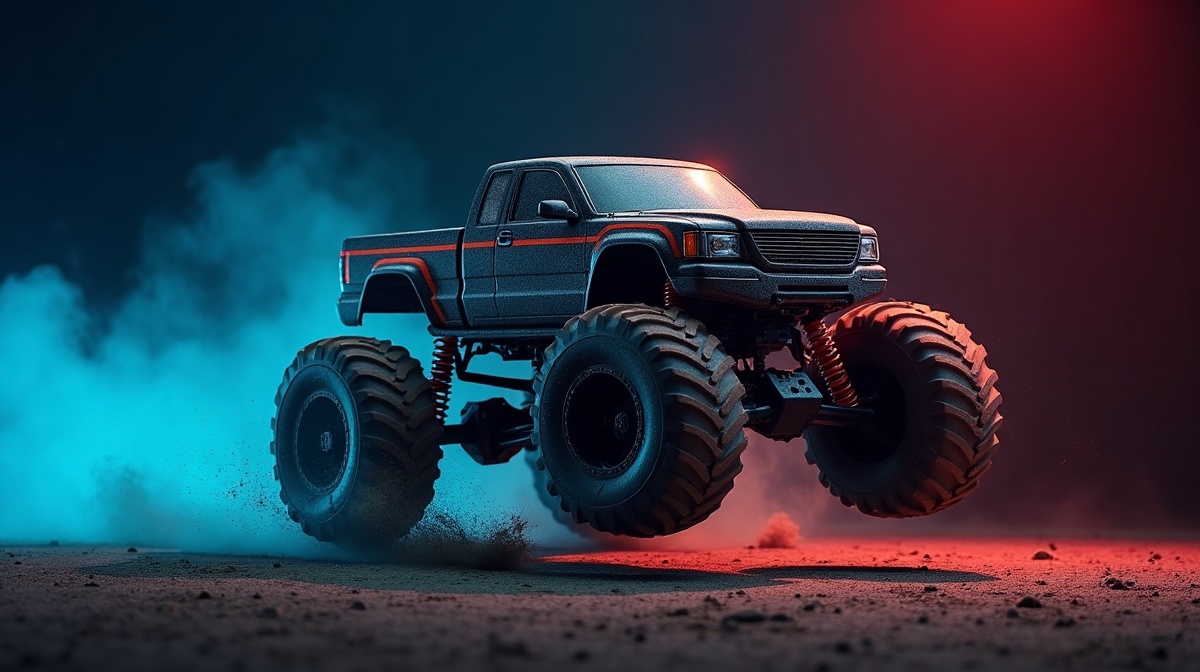
<p>These are often the go-to for younger kids and beginners. Why? They’re built tough, have huge tires and high ground clearance, making them incredibly forgiving over rough terrain and obstacles. Their typically wider stance also makes them more stable. Brands like Traxxas, Arrma, and Redcat offer fantastic monster truck options.</p>


<h3>Short Course Trucks (SCTs)</h3>

<p>Modeled after real off-road race trucks, SCTs offer a fantastic blend of speed, handling, and durability. They have full-fendered bodies that protect the wheels, reducing snagging and damage. They're a step up in realism and often appeal to slightly older kids who appreciate the racing aesthetic. The Traxxas Slash is the king of this category for good reason.</p>


<h3>Buggies</h3>

<p>Sleeker and often faster than monster trucks, buggies are designed for speed and agility, especially on prepared tracks or smoother off-road surfaces. They typically have lower ground clearance and exposed wheels, meaning they might require a bit more precision driving and can get hung up more easily. For a beginner, a 4WD buggy offers a good balance of handling and durability.</p>


<h3>Rock Crawlers/Trailers</h3>

<p>These are a different beast entirely. Rock crawlers are all about slow, precise, technical driving, conquering obstacles with extreme articulation and torque, not speed. While not for every beginner, they can be incredibly engaging for patient kids who enjoy problem-solving and realistic driving challenges. Axial's smaller scale crawlers are an excellent entry point.</p>


<h2>What to Look For: Key Features for Beginner RC Cars</h2>

<p>Now that we know the types, let's break down the essential features that make an RC car perfect for a first-timer:</p>


<h3>Durability is King</h3>

<p>Kids crash. A lot. It's part of the fun! So, a beginner RC car *must* be able to take a beating. Look for:</p>

<ul>

    <li><strong>Robust Chassis:</strong> Often made from composite nylon.</li>

    <li><strong>Flexible Parts:</strong> Suspension arms and bumpers that flex instead of snap.</li>

    <li><strong>Protected Electronics:</strong> Water-resistant or waterproof components are a huge bonus.</li>

    <li><strong>Metal Gearbox Components:</strong> Less likely to strip under stress.</li>

</ul>

<p>Major brands like Traxxas, Arrma, and Redcat generally excel in durability for their entry-level models.</p>


<h3>Ease of Use & Control</h3>

<ul>

    <li><strong>4-Wheel Drive (4WD):</strong> Generally easier for beginners as it offers better traction and control, especially off-road. 2-wheel drive (2WD) can be challenging but teaches valuable throttle control.</li>

    <li><strong>Training Mode:</strong> Some brands (like Traxxas) offer a "training mode" that limits the car's speed to 50% or 75%. This is invaluable for younger drivers to learn control before unleashing full power.</li>

    <li><strong>Simple Remote Control:</strong> An intuitive pistol-grip transmitter is standard and easy to learn.</li>

</ul>


<h3>Power & Battery Life</h3>

<p>This is where things can get a bit technical, but don't worry, I'll keep it simple:</p>

<ul>

    <li><strong>Brushed Motors:</strong> Most beginner RC cars come with brushed motors. They are simpler, cheaper, and perfectly adequate for learning. They offer good torque and reasonable speed.</li>

    <li><strong>Brushless Motors:</strong> While more powerful, faster, and requiring less maintenance, brushless systems are generally more expensive and might be too much power for a true beginner. They are, however, an excellent upgrade path for a growing hobbyist.</li>

    <li><strong>NiMH Batteries:</strong> Nickel-Metal Hydride batteries are common in Ready-To-Run (RTR) kits. They are relatively safe, durable, and easy to charge. Expect 10-15 minutes of run time, depending on the car and driving style.</li>

    <li><strong>LiPo Batteries:</strong> Lithium Polymer batteries offer longer run times and more power, but require special charging procedures and safety precautions. For younger kids, NiMH is often the safer and simpler choice to start.</li>

    <li><strong>Charger Type:</strong> Make sure the RTR kit includes a decent charger. Simple wall chargers are fine for NiMH, but a quality balance charger is essential if you step up to LiPo.</li>

</ul>


<h3>Scale Size Matters</h3>

<ul>

    <li><strong>1/10 Scale:</strong> This is the most popular size for recreational RC, offering a good balance of performance, durability, and parts availability. Great for backyards, parks, and even local tracks.</li>

    <li><strong>1/16 or 1/18 Scale:</strong> Smaller and more nimble, these are great for smaller spaces like tight backyards or even indoors (with caution!). They're often more budget-friendly and can be a fantastic entry point for younger kids. Brands like LaTrax (a Traxxas sub-brand) specialize in this scale.</li>

    <li><strong>1/24 Scale (Micro Crawlers):</strong> Tiny, but incredibly capable. Perfect for indoor obstacle courses or small outdoor adventures. The Axial SCX24 is a prime example.</li>

</ul>


<h3>Repairability & Parts Availability</h3>

<p>This is crucial! No matter how durable, parts *will* eventually break. Choosing a brand with readily available spare parts (and even upgrade parts) from your local hobby shop or online retailer ensures the car can be fixed and enjoyed for years. Major brands like Traxxas, Arrma, Redcat, and Axial are excellent in this regard.</p>


<h3>Waterproof Electronics</h3>

<p>A huge selling point for outdoor play. Water-resistant or fully waterproof servos, ESCs (Electronic Speed Controllers), and receivers mean fewer worries when encountering puddles, wet grass, or unexpected rain. Just remember, "waterproof" doesn't mean "submarine"!</p>


<h2>Top Picks for Unleashing Thrills: Specific Recommendations</h2>

<p>Based on experience and the criteria above, here are a few solid choices to get your kid started:</p>


<ul>

    <li><strong>Traxxas Rustler 2WD:</strong> An absolute classic. While 2WD, its durability is legendary, and parts are everywhere. It's fast, handles well on a variety of surfaces, and offers that crucial training mode. A fantastic all-around basher.</li>

    <li><strong>Traxxas Slash 2WD/4WD:</strong> The ultimate short course truck. The 2WD version is a bit more challenging to drive but excellent for learning. The 4WD version offers superior traction and ease of control, making it a stellar choice for beginners, especially in rougher terrain. Both come with training mode.</li>

    <li><strong>Arrma Granite Voltage/Gorgon:</strong> Arrma makes incredibly tough vehicles, and the Granite Voltage is a great budget-friendly monster truck option for beginners. Its simple design makes it easy to maintain. The newer Gorgon is also designed with extreme durability and fun in mind, offering a robust monster truck experience.</li>

    <li><strong>LaTrax Teton/SST (by Traxxas):</strong> If you're looking for something smaller, the LaTrax line is superb. These 1/18 scale mini monster trucks and short course trucks are incredibly durable for their size, come with waterproof electronics, and are perfect for backyards or even large indoor spaces. A fantastic entry point for younger kids or those with limited space.</li>

    <li><strong>Axial SCX24:</strong> For the more methodical child who loves crawling over obstacles, the SCX24 is a brilliant micro rock crawler. It's small enough to run indoors over custom courses built from household items, yet capable enough for outdoor adventures. It teaches patience and precise throttle control.</li>

</ul>


<h2>Pit Stop Advice: Tips for Dads & New Hobbyists</h2>

<p>Once you've made your choice, here are a few pointers to ensure a smooth start:</p>

<ul>

    <li><strong>Start Slow:</strong> Always begin with training mode, especially for younger kids. Let them master control before increasing speed.</li>

    <li><strong>Battery Care:</strong> Read the manual on battery charging and storage. Proper care extends battery life and, more importantly, ensures safety. Never overcharge, and always charge LiPo batteries with a balance charger and in a safe location.</li>

    <li><strong>Basic Maintenance:</strong> Teach your child to clean the car after each run, especially if it's been in dirt or mud. Check for loose screws, inspect tires, and clean debris from the motor/gears.</li>

    <li><strong>Expect Breakage:</strong> It will happen. That's part of the hobby! Embrace it as a learning opportunity to fix and upgrade. Having a small toolkit and a few common spare parts (like suspension arms) on hand is a good idea.</li>

    <li><strong>Find a Local Hobby Shop:</strong> These places are goldmines of knowledge, parts, and often have tracks or events. Support them!</li>

</ul>


<h2>FAQ: Your Burning Questions Answered</h2>


<h3>Q1: Should I get a brushed or brushless RC car for a beginner?</h3>

<p><strong>A:</strong> For true beginners, especially younger kids (6-10), a brushed motor system is generally recommended. They are more affordable, less intimidatingly fast, and often simpler to maintain. Brushless is an excellent upgrade path once your child has mastered the basics and is ready for more speed and efficiency.</p>


<h3>Q2: Is 2WD or 4WD better for a beginner?</h3>

<p><strong>A:</strong> For ease of driving and overall traction, 4WD is often better for beginners. It provides more grip and stability, making it easier to control, especially off-road. 2WD cars can be a blast and teach valuable throttle control, but they tend to spin out more easily and can be a bit more challenging for initial learning.</p>


<h3>Q3: How important is battery safety, especially with LiPo batteries?</h3>

<p><strong>A:</strong> Extremely important! LiPo batteries are powerful and require careful handling. Always use a proper LiPo balance charger, never overcharge or over-discharge them, and store them in a fire-safe bag. For younger kids, NiMH batteries are generally safer and easier to manage initially, reducing the risk of accidental misuse.</p>


<h3>Q4: How important are spare parts for beginner RC cars?</h3>

<p><strong>A:</strong> Crucial! RC cars are designed to be driven hard, and things will inevitably break or wear out. Choosing a brand with excellent parts support means you can easily replace damaged components, keeping the car running and the fun going. This also teaches kids about repair and maintenance, extending the life of their hobby.</p>


<p>There you have it, fellow RC enthusiasts! By focusing on durability, ease of use, and picking the right type of vehicle, you're not just buying a toy; you're investing in a passion. This hobby offers so much more than just speed – it's about learning, problem-solving, and quality time. Get out there, choose wisely, and unleash those thrills!</p>