RC Drones for Kids: Safety, Fun & the Best Picks for 2026

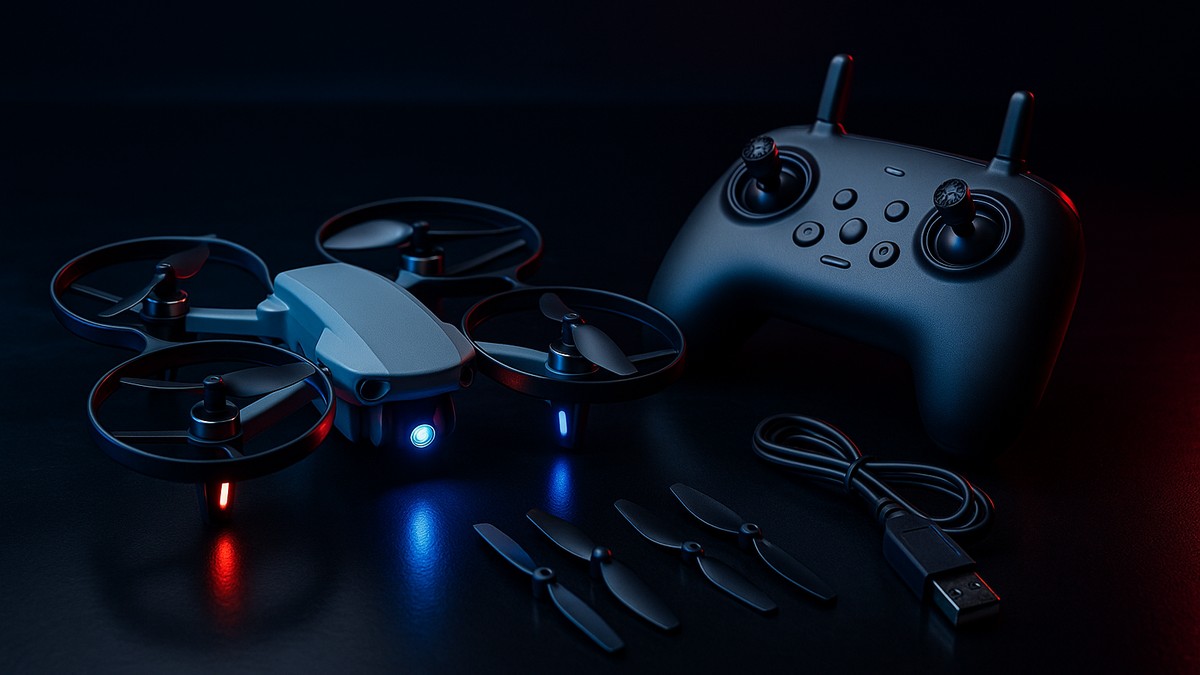
Hey fellow RC enthusiasts! Remember that feeling of unboxing your first remote-controlled marvel? The anticipation, the initial jitters, and then the sheer joy of watching it zip, zoom, or soar? Now imagine sharing that excitement with the next generation. If you’re a dad looking to ignite that spark in your son (or daughter!), or a young hobbyist eager to take to the skies, you’ve landed in the perfect spot. We’re diving deep into the thrilling world of RC drones specifically designed for kids – easy to fly, incredibly durable, and packed with fun!
Why RC Drones Are a Blast for Kids!
Beyond the obvious thrill of piloting a flying machine, RC drones offer a surprising array of developmental benefits for kids aged 6-14. They’re a fantastic gateway into the principles of flight and basic engineering, often sparking an interest in STEM fields. Operating a drone hones crucial hand-eye coordination and spatial awareness, demanding focus and precision. There’s also a valuable lesson in responsibility – understanding battery life, safe flying zones, and the care required to maintain their aerial companion. Plus, let’s be honest, they’re just plain cool! Watching a drone hover, zip, and even capture photos from above offers a unique perspective on the world, transforming playtime into an adventure.
What to Look For: Navigating the Drone Jungle
With a dizzying array of drones on the market, choosing the right one for a young pilot can feel like a mission in itself. But fear not! As experienced hobbyists, we know what truly matters for a kid’s first flight. Forget the professional racing drones or cinematic giants; we’re focusing on features that ensure safety, ease of use, and maximum fun. Here’s your essential checklist:
Durability: Crash-Proofing the Fun
Let’s face it: kids will crash. A beginner drone needs to be tough! Look for models constructed from flexible, impact-resistant materials like durable ABS plastic. Integrated or easily replaceable propeller guards are an absolute must; they protect both the drone’s rotors and anything (or anyone!) it might accidentally bump into. A modular design, where parts like propellers or landing gear can be swapped out simply, is a huge plus, extending the drone’s life far beyond its first inevitable tumble.
Ease of Use: Flying High Without Frustration
The goal here is enjoyment, not exasperation. Beginner-friendly features are paramount:
- Altitude Hold: This is a game-changer! The drone automatically maintains a set altitude, allowing the pilot to focus solely on direction.
- One-Key Takeoff/Landing: Simple button presses handle the most challenging parts of flying, getting the drone safely airborne and back on the ground.
- Headless Mode: A fantastic feature for beginners. Regardless of the drone’s orientation, pushing the stick forward always makes it fly away from the pilot. No more confusion about which way is ‘forward’!
- Multiple Speed Modes: Starting slow is key. Drones with beginner (low) and advanced (high) speed settings allow kids to progress at their own pace.
Safety First: Keeping Everyone Happy and Intact
While toy drones are generally safe, smart precautions are vital. Reiterate the importance of those propeller guards – they shield fingers, furniture, and the drone itself. An ‘Emergency Stop’ function on the controller can instantly shut down motors, preventing further mishap if things go awry. Generally, smaller, lighter drones are safer for indoor use and accidental outdoor bumps than larger, heavier models.
Battery Life: The More the Merrier (or at least longer)
Drone flights can be short, often just 5-10 minutes on a single battery. This can lead to frustration as kids crave more airtime. Look for drones that come with multiple swappable batteries, or where extra batteries are readily available. This allows for continuous fun while one battery charges. Check charging times too; quicker charges mean less downtime.
Camera Capabilities: Capturing the World from Above
Many beginner drones now include cameras, adding an exciting dimension to flying. For toy-grade drones, expect 720p or perhaps 1080p resolution for photos and video – perfectly adequate for sharing with friends and family. Some even offer FPV (First Person View) through a smartphone app, giving the pilot a ‘cockpit view’ experience. While not crucial for learning to fly, a camera adds significant replay value and a sense of accomplishment.
Controller Comfort and Features
The controller is the child’s interface with their drone, so comfort is key. Look for a lightweight controller that fits comfortably in smaller hands. Simple, clearly labeled buttons are a bonus. While many toy drones rely on physical controllers, some models can integrate with a smartphone for additional features or FPV viewing. Range is also important; for kids, a range of 30-50 meters is usually more than enough for safe backyard or park flying.
Getting Started: Tips for a Smooth First Flight
Alright, you’ve picked the perfect drone! Now, let’s ensure those initial flights are filled with success and smiles:
- Start Indoors (or in a Controlled Outdoor Space): A large living room or garage is ideal for learning the basics without wind interference or obstacles. If outdoors, choose a calm day with minimal wind and an open area free of trees, power lines, or curious pets.
- Read the Manual (Yes, Seriously!): It contains crucial information about calibration, controls, and safety warnings specific to your drone.
- Practice Makes Perfect: Encourage short, frequent practice sessions. Focus on mastering hovering, gentle takeoffs, and soft landings before attempting complex maneuvers.
- Supervision is Key: Especially for younger kids, an adult should always be present to guide, assist, and ensure safe operation.
- Battery Care: Teach kids about proper battery handling – always charge safely, and never leave batteries unattended while charging. Don’t let batteries run completely flat, as it can shorten their lifespan.
Top Picks: Our Recommended Starter Drones for Kids
As seasoned RC enthusiasts, we know that while legendary brands like Traxxas, Arrma, Redcat, LaTrax, and Axial dominate the exhilarating world of RC cars and trucks, offering incredible ground-based adventures, the drone market features its own champions dedicated to airborne fun. For beginner RC drones, we look to brands known for user-friendliness, durability, and safety. Here
Explore More RC Guides & Gear
Ready to dive deeper? Check out these related guides and shop our hand-picked RC collection:
Similar Drone Picks
🏁 Don't Overpay for Your Kid's Next RC Toy
Get our free Dad's RC Buying Guide + weekly deal alerts on the best RC cars, trucks & drones. No spam, just the good stuff.