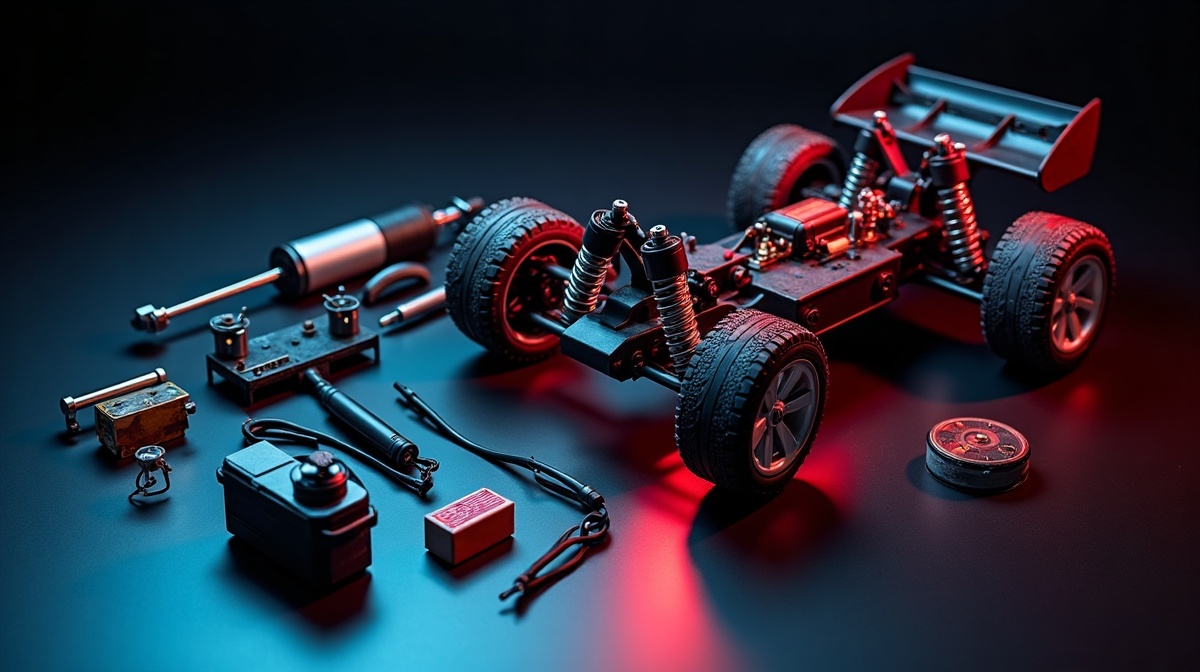
Pro RC Car Care: Master Essential Maintenance Hacks to Keep Your Ride Roaring.

Hey there, fellow RC enthusiast! Whether you're a seasoned veteran tearing up the track or a proud parent watching your son (or daughter!) conquer the backyard with their first monster truck, there's one universal truth: the better you care for your RC, the longer and harder it will roar. We're talking about extending playtime, minimizing frustrating breakdowns, and getting the most bang for your buck. Think of this as your personal pit crew guide, packed with essential maintenance hacks from an experienced hobbyist who’s been there, done that, and busted more than a few knuckles along the way. So, grab your hex wrenches, let’s get those RC rigs purring like finely-tuned machines!
The Foundation: Post-Run Rituals
The single most impactful thing you can do for your RC car happens after the fun is over. Establishing a solid post-run routine is like giving your car a health check-up every single time.
Cleanliness is Next to RC Goodness
Dirt, dust, mud, sand – it all looks cool flying through the air, but it’s a silent killer for your RC’s moving parts. A thorough clean after every significant run is non-negotiable.
- Brush It Off: Use a stiff-bristled brush (an old toothbrush works wonders!) to remove loose dirt from the chassis, suspension components, and motor fins.
- Compressed Air is Your Friend: A can of compressed air (or a small air compressor if you have one) is invaluable for blasting grit out of hard-to-reach places like inside gearboxes, around bearings, and from electronics. Aim for the motor's cooling fins and the ESC to dislodge any debris that could cause overheating.
- Wipe Down: For stubborn grime, a damp cloth (ensure it's just damp, not soaking wet!) can be used on non-electronic parts. For truly muddy adventures, some models like the Traxxas Slash or Arrma Big Rock are designed with water-resistant electronics, allowing for a gentle rinse under a faucet – but always check your manual first! Afterward, dry thoroughly with a towel and let it air dry completely.
- Body Care: Don't forget the body shell! Wipe it down, check for cracks, and reinforce weak spots with specific RC body tape if needed.
Visual Inspection: Your First Line of Defense
Once clean, take a moment to look over your entire vehicle. This quick scan can spot potential problems before they escalate into bigger issues on your next run.
- Loose Screws: Vibration is an RC car's enemy. Gently check all accessible screws with the appropriate hex driver. Pay special attention to motor mounts, suspension pivots, and wheel nuts.
- Damaged Parts: Look for bent suspension arms (common after hard landings or collisions), cracked C-hubs or steering knuckles, torn shock boots, or a bent driveshaft. These are often easy and inexpensive fixes if caught early.
- Wiring Integrity: Check all wires for fraying, especially where they connect to the motor, ESC, and battery. Ensure connectors are snug and free of corrosion.
- Wheel and Tire Check: Are the wheels still firmly attached? Any missing lug nuts? Inspect tires for excessive wear, tears, or signs of de-beading.
Powering Through: Battery and Electronics Care
Your RC’s heart, brain, and muscles need meticulous care to perform at their peak. Proper battery and electronics maintenance ensures consistent power and responsiveness.
Battery Bliss: LiPo vs. NiMH
Different battery chemistries require different care, especially for the high-performance LiPo (Lithium Polymer) packs.
- LiPo Batteries: These provide incredible punch but demand respect. Always use a balance charger, like those from Traxxas (with their iD system) or Venom, and store them at a "storage charge" (typically 3.8V per cell) if not used for more than a day or two. Never over-discharge a LiPo below 3.0V per cell, and always charge them in a LiPo-safe bag to prevent potential fire hazards. Never leave them unattended while charging. If a LiPo ever looks puffy, discontinue use immediately and dispose of it safely.
- NiMH Batteries: More forgiving than LiPo, NiMH (Nickel-Metal Hydride) batteries prefer to be fully discharged before recharging to avoid the "memory effect." However, modern NiMH chargers are often smart enough to handle this. Store them fully charged.
- Charger Compatibility: Always use a charger compatible with your battery type. A good multi-chemistry charger from brands like SkyRC or Dynamite is a wise investment for hobbyists with various battery types.
ESC and Motor: The Heartbeat of Your Ride
These components generate heat, and managing that heat is key to longevity.
- Keep it Cool: Ensure your motor and ESC’s cooling fins are clear of debris. Overheating can severely damage these parts. If your RC consistently runs hot, consider a motor fan (many models like the Arrma Senton or Traxxas Rustler have upgrade options) or adjust your gearing.
- Wire Check: Regularly inspect motor and ESC wires for kinks, abrasions, or loose connections. Tight, clean connections ensure efficient power transfer.
- Brushed Motor Maintenance: If you have a brushed motor (common in 1/16 and 1/18 scale vehicles like LaTrax models or entry-level Redcat Racing cars), consider using an electric motor cleaner spray periodically to clean out carbon dust, which can accumulate and reduce efficiency.
Servo Savvy: Steering Clear of Trouble
The servo is responsible for your steering and throttle (on nitro models). It needs to be smooth and responsive.
- Smooth Operation: Turn your wheels back and forth by hand with the power off. It should move freely without excessive slop or binding. If it feels notchy or gritty, the servo gears might be damaged, or there could be binding in the steering linkage.
- Mounting: Ensure the servo is securely mounted. Loose screws can lead to erratic steering and premature servo wear.
- Water Resistance: If you run in wet conditions, consider upgrading to a waterproof servo, or ensure your existing one is rated for it (many Traxxas and Arrma models come with waterproof electronics).
Under the Hood: Mechanical Maintenance
The moving mechanical parts take the brunt of the abuse. Regular inspection and care here will save you from sideline frustrations.
Suspension Secrets: Shocks and Arms
Your shocks absorb impacts and keep your tires on the ground.
- Shock Oil: Over time, shock oil can leak or lose its viscosity. If your car bounces excessively or one corner feels softer, it’s time for a shock rebuild and oil refill. Different weight oils (e.g., 30wt, 40wt) can drastically change handling.
- Shaft Inspection: Check shock shafts for bends or scratches. A bent shaft will bind, and a scratched one will tear O-rings, leading to leaks.
- Suspension Arms: Inspect for cracks, especially around hinge pins. Brands like Axial and Arrma often use durable composite plastics, but even they can eventually fail under extreme stress.
Drivetrain Dynamics: Gears, Bearings, and Axles
This is where the power meets the pavement (or dirt!).
- Gears:
- Pinion & Spur: Check the mesh between the small pinion gear on the motor and the larger spur gear. Too tight and it binds; too loose and it strips. Listen for any grinding noises. Inspect teeth for wear or chips. Metal spur gears (common on high-end models) are durable but noisier; composite gears are quieter and act as a fuse in extreme situations.
- Diff Gears: If your car isn't driving straight or you hear clicking from the differentials, it might be time to inspect and potentially rebuild the diffs, replacing worn gears or differential fluid/grease.
- Bearings: Spin each wheel freely. If you hear a grinding noise or feel resistance, the bearing is likely shot. Worn bearings increase friction, drain power, and put stress on other components. Replace them promptly. Consider sealed bearings for dirtier environments.
- Driveshafts & Axles: Check for bends or twists, especially after impacts. Universal joint (U-joint) style driveshafts can wear out at the pins, leading to slop.
Wheel and Tire Wisdom: Grip and Go
- Tire Inspection: Check for tears in the rubber, especially near the beads. Look for excessive wear on the treads, which indicates it's time for new tires to maintain optimal grip.
- Foam Inserts: Many RC tires have foam inserts. These can break down over time, especially if wet, leading to inconsistent tire feel.
- Wheel Nuts: Always ensure wheel nuts are tight. If you use hex-style nuts, a drop of blue threadlocker can prevent them from backing off.
Essential Toolkit: What Every RC Enthusiast Needs
You can't perform maintenance without the right tools. Invest in quality tools, and they'll last a lifetime.
- Must-Have Tools:
- Metric Hex Wrench Set (1.5mm, 2.0mm, 2.5mm, 3.0mm are most common)
- Nut Drivers (5.5mm, 7.0mm, 8.0mm are typical for wheel nuts and general fasteners)
- Small Phillips and Flathead Screwdrivers
- Needle-Nose Pliers and Side Cutters
- Body Reamer (for making clean holes in body shells)
- Shock Pliers (optional but very helpful for shock maintenance)
- Cleaning Supplies:
- Stiff Bristle Brush / Old Toothbrush
- Compressed Air (can or small compressor)
- Microfiber Cloths
- Electric Motor Cleaner Spray (non-residue)
- Lubricants and Chemicals:
- Silicone Shock Oil (various weights – 30wt, 40wt, 50wt are good starting points)
- Diff Fluid/Grease (depending on your diff type)
- Blue Threadlocker (e.g., Loctite blue) – crucial for metal-to-metal screws that need to stay put.
- Bearing Oil/Grease (for light lubrication)
What to Look For: Signs Your RC Needs Attention
Being proactive means recognizing the warning signs. Don't ignore these signals:
- Unusual Noises: Grinding, clicking, squealing, or whining sounds that weren't there before.
- Reduced Performance: Slower speed, less punch, or inconsistent power delivery.
- Erratic Steering: Poor tracking, wandering, or delayed response from the steering wheel.
- Visible Damage: Cracks, bends, missing parts, or frayed wires.
- Excessive Heat: A motor or ESC that's too hot to touch.
- Leaking Fluids: Oily residue around shocks or differentials.
- Loose Wheels/Excessive Play: Wobbling wheels or too much "slop" in suspension components.
Top Picks for Reliable RC Maintenance Gear
Investing in quality maintenance tools and supplies makes the job easier and more effective. Here are a few recommendations for brands known for their reliability:
- Traxxas Hex Wrench Set (or similar Pro-Grade Kit): While individual hex drivers are great, a good kit (like those from Traxxas, MIP, or Team Associated) ensures you have all the common sizes and durable tips that won't strip your screws. A magnetic tip is a huge bonus!
- SkyRC iMAX B6AC v2 Balance Charger: This is a versatile, intelligent charger that handles LiPo, NiMH, and other battery chemistries. It's user-friendly for beginners but offers advanced features for experienced users, ensuring your batteries are always charged safely and optimally.
- Lucas Oil X-Tra Heavy Duty Grease (for Diffs & Drive Shafts): A good quality grease is essential for metal gears in differentials and for lubricating universal joints on driveshafts. Lucas Oil provides excellent protection against wear and corrosion.
- Team Associated Silicone Shock Oil Set: Having a range of shock oil weights (e.g., 20wt, 30wt, 40wt, 50wt) allows you to tune your suspension for different terrains and conditions, crucial for optimal handling. Brands like Team Associated, Losi, and Pro-Line offer excellent quality.
- Dynamite Bearing Blaster and Oil: Bearings are vital for smooth operation. A bearing blaster kit allows you to clean out old grime and then re-lubricate your bearings, significantly extending their lifespan and maintaining efficiency.
FAQ: Your Burning RC Care Questions Answered
- How often should I clean my RC car?
- Ideally, after every significant run, especially if you've been in dirt, mud, or sand. A quick brush-off and visual inspection are good enough for light use, but a deeper clean is crucial after intense sessions.
- What's the most common part to break?
- This heavily depends on the RC model and driving style. For beginners, suspension arms, body posts, and steering knuckles are common casualties from impacts. On higher-powered models like an Arrma Granite 4x4 or Traxxas Slash 4x4, driveshafts can wear out or snap under heavy abuse, and spur gears might strip if the motor mesh isn't perfect.
- Can I use water to clean my RC car?
- Only if your RC car is specifically advertised as "waterproof" or "water-resistant." Even then, avoid directly spraying sensitive electronics like the motor, ESC, and receiver with high-pressure water. A gentle rinse is usually fine for the chassis and suspension components, but always dry it thoroughly afterward with compressed air and then air dry.
- When should I replace my battery?
- For LiPo batteries, replace them if they become puffy, show significant capacity loss, or cannot hold a charge. For NiMH, replace them if their run time severely diminishes or they can no longer hold a charge after proper conditioning. A well-maintained battery should last many cycles, but like all batteries, they have a finite lifespan.
And there you have it, folks! Mastering these essential maintenance hacks isn't just about preventing breakdowns; it's about getting more enjoyment out of your RC car. Imagine the satisfaction of knowing your Traxxas Rustler, Arrma Typhon, Redcat Kaiju, or Axial SCX10 is always ready for action, thanks to your diligent care. So, go ahead, get your hands a little dirty, learn the ins and outs of your machine, and keep that ride roaring for countless adventures to come. Happy bashing, jumping, and racing!