Best RC Helicopters for Beginners: A Complete Guide

Why RC Helicopters?
RC helicopters offer a flying experience that drones simply can’t replicate. The precision of hovering, the challenge of 3D aerobatics, and the realistic look of a spinning rotor — there’s a reason helicopters remain popular despite the drone boom. If you’re looking to get started, our RC helicopter collection has options for every skill level.
Types of RC Helicopters
Coaxial (Dual Rotor)
Two counter-rotating main rotors stacked on top of each other. This design is inherently stable and easy to fly. Perfect for absolute beginners and indoor flying. Most toy-grade helis are coaxial.
Fixed Pitch (Single Rotor)
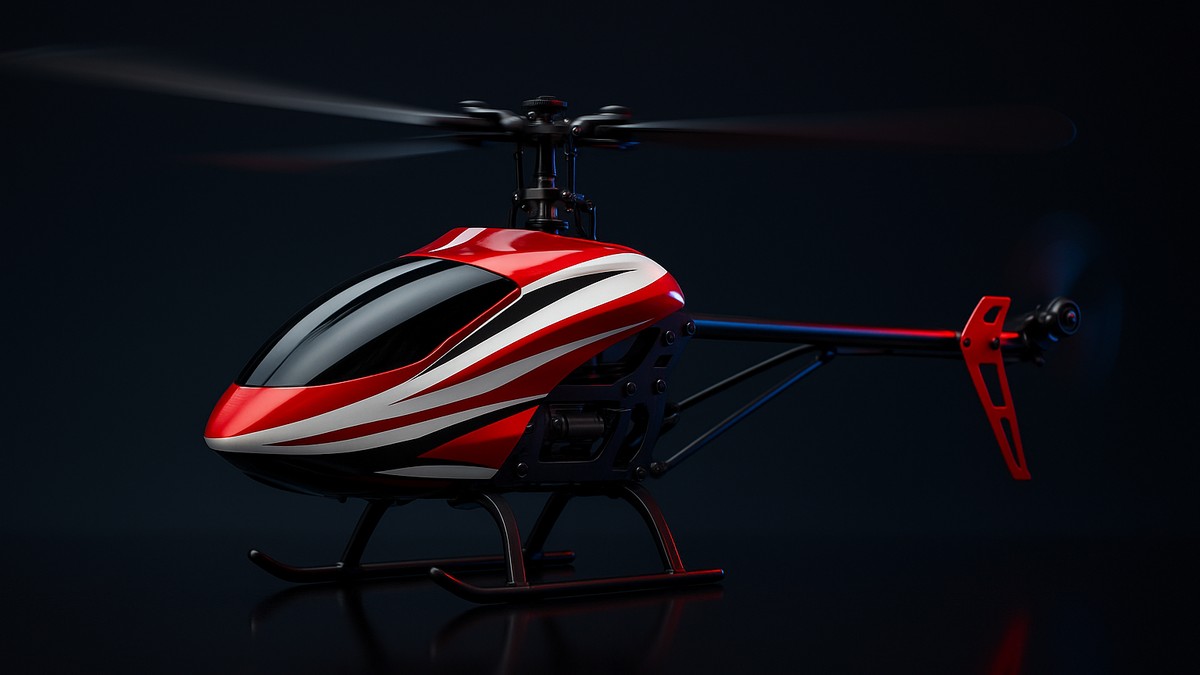
One main rotor with a tail rotor. Lift is controlled by motor speed only. More maneuverable than coaxial but harder to fly. The next step up from coaxial for intermediate pilots.
Collective Pitch (CP)
The main rotor blade angle changes to control lift, allowing inverted flight and 3D aerobatics. This is expert-level flying that takes months or years to master. Incredibly rewarding but not for beginners.
Size Classes
- Micro/Nano — Under 10″ rotor span. Indoor only. Great for learning basics.
- Mini — 10-15″ rotor span. Indoor or calm outdoor conditions.
- Sub-Micro 450 — Popular intermediate size. Good for outdoor flying in light wind.
- 500-700 class — Large, powerful, outdoor-only helis. For experienced pilots.
Getting Started: Step-by-Step
- Start with a coaxial micro heli — Learn to hover, maintain position, and do basic maneuvers.
- Move to a simulator — RC flight simulators like RealFlight let you crash virtually before risking real hardware.
- Upgrade to a fixed pitch single rotor — Once you can hover and circuit fly a coaxial, step up.
- Join a local RC club — Experienced pilots are incredibly helpful for learning helicopter flying.
- Consider collective pitch later — Only after you’re fully comfortable with fixed pitch.
RC Helicopters vs Drones
Both fly, but the experience is very different:
- Skill ceiling — Helicopters are harder to fly but more rewarding to master.
- Stability — Drones auto-stabilize; helicopters require constant pilot input.
- Aerobatics — CP helicopters can do things no drone can: inverted flight, loops, rolls, tic-tocs.
- Photography — Drones win hands down for aerial cameras.
- Cost — Entry-level is similar, but helicopter crashes tend to be more expensive to repair.
Many hobbyists enjoy both! Check our drone collection too if you want the best of both worlds.
Safety Tips
- Never fly a helicopter near people — the main rotor is essentially an exposed spinning blade
- Start indoors with a micro heli before going outside
- Always do a control check before takeoff
- Keep a safe distance until you’re confident in your hover
- Land immediately if anything feels off (binding, vibration, odd sounds)
Ready to Fly?
Browse our complete RC helicopter selection. For other flying options, check out RC airplanes and RC drones. And don’t forget spare propellers — you’ll need them!
Similar Axial Picks
🏁 Don't Overpay for Your Kid's Next RC Toy
Get our free Dad's RC Buying Guide + weekly deal alerts on the best RC cars, trucks & drones. No spam, just the good stuff.