The Ultimate Beginner’s Guide: Best RC Cars for Epic Family Fun

Alright, fellow enthusiasts and soon-to-be hobbyists! If you’re reading this, chances are you’ve felt that irresistible pull towards the world of RC cars. Maybe you’re a dad looking to create unforgettable memories with your son, a teenager eager to dive into a thrilling new hobby, or simply someone searching for an exciting outdoor activity. Well, you’ve come to the right place! As someone who’s spent countless hours behind the controller, I’m here to guide you through the exciting journey of finding the perfect RC car to kickstart your epic family fun. Get ready to unleash some serious speed, master incredible jumps, and maybe even get a little muddy!
Why RC Cars Are Awesome for Family Fun
Beyond the sheer adrenaline rush, RC cars offer a fantastic blend of benefits for families and individuals. They encourage outdoor activity, getting everyone away from screens and into the fresh air. Driving an RC car hones hand-eye coordination, reflexes, and problem-solving skills. For dads and sons, it’s an incredible bonding experience – working on cars together, setting up courses, and cheering each other on. Plus, there’s a wonderful sense of accomplishment in mastering controls, performing maintenance, and pushing your machine to its limits. It’s not just a toy; it’s a gateway to mechanical understanding, friendly competition, and pure joy.
Before You Buy: Understanding the RC Car Landscape
The RC world can seem vast and technical at first, but don’t worry! I’ll break down the key terms you need to know to make an informed decision.
Brushed vs. Brushless Motors
- Brushed Motors: These are common in entry-level RC cars. They’re more affordable and easier to maintain for beginners. They offer decent speed and power, perfect for learning the ropes. Think of them as reliable workhorses.
- Brushless Motors: These are the performance kings. They’re more efficient, deliver significantly more power and speed, require less maintenance, and generally last longer. Many beginner-friendly models now come with brushless systems, often called “BLX” by Arrma or indicated on Traxxas models. They’re a fantastic step up once you’ve got the basics down.
2WD vs. 4WD
- 2-Wheel Drive (2WD): Usually rear-wheel drive, 2WD cars are often lighter, more affordable, and can be more challenging (and rewarding) to drive, as they require more throttle control. They’re great for drifting and learning precise control.
- 4-Wheel Drive (4WD): These cars distribute power to all four wheels, offering superior traction and control, especially on loose or challenging terrain like dirt, gravel, or grass. They are generally easier for beginners to drive confidently and are fantastic for all-around bashing and off-roading. For most families and beginners, 4WD is the recommended choice for maximum fun and versatility.
Scale Sizes Explained
RC car scales refer to how much smaller the RC model is compared to its real-life counterpart (e.g., 1/10 scale means it’s one-tenth the size of a full-size car). This significantly impacts where and how you can drive your RC.
- 1/10 Scale: This is arguably the most popular and versatile scale. These cars are large enough to handle varied terrain, are durable, and have abundant aftermarket parts. They’re excellent for parks, backyards, and dedicated RC tracks.
- 1/16 Scale: A good middle ground, smaller than 1/10 but still capable. They’re a bit easier to transport and can be driven in slightly smaller spaces. Often a good choice for younger drivers.
- 1/18 Scale: These are smaller, more compact RC cars, perfect for smaller yards, indoor driving on rainy days, or for younger kids where larger, faster vehicles might be overwhelming. They can still be incredibly fun and surprisingly durable!
Ready-to-Run (RTR) vs. Kits
For beginners, Ready-to-Run (RTR) is the way to go. These cars come fully assembled with the motor, speed controller, receiver, and transmitter (controller) already installed. You typically just need to charge the battery, pop in some AA batteries for the transmitter, and you’re ready to bash! Kits, on the other hand, are for experienced hobbyists who enjoy building the car from scratch.
Power Sources: NiMH vs. LiPo Batteries
- NiMH (Nickel-Metal Hydride): These are traditional, safe, and relatively inexpensive batteries. They offer decent run times and are forgiving if you don’t follow charging/discharging protocols perfectly. Many beginner RTR kits include a NiMH battery and charger.
- LiPo (Lithium Polymer): LiPo batteries provide more power, longer run times, and a more consistent power delivery throughout their charge cycle. They are lighter and can make your RC car feel much faster. However, they require special charging equipment and careful handling (never overcharge, over-discharge, or puncture them) due to potential fire hazards. If you go with LiPo, invest in a quality balance charger and always follow safety guidelines. Many hobbyists eventually upgrade to LiPo.
What to Look For: Key Features for Beginners
When choosing your first RC car, these are the critical aspects to prioritize:
- Durability: This is paramount! Beginners will crash, jump, and generally put their RC through its paces. Look for robust chassis, strong suspension components, and materials that can withstand impact. Brands known for durability like Traxxas and Arrma are popular for a reason.
- Ease of Use and Maintenance: An RTR package that’s simple to get going, with accessible parts for basic cleaning and repairs, will keep frustration low and fun high.
- Parts Availability: Even the toughest RC car will eventually need a replacement part. Choose a brand with excellent parts support, readily available at hobby shops or online. This ensures your fun isn’t cut short by a broken wishbone.
- Adjustable Speed: Some beginner RC cars, particularly those aimed at younger drivers, come with training modes or adjustable throttle limits. This is fantastic for gradually increasing speed as skill improves, preventing overwhelming new drivers.
- Water Resistance (Splash-Proof): Many modern RC cars are “all-weather” or “waterproof,” meaning their electronics are sealed to resist splashes, puddles, and light rain. This greatly expands where and when you can drive, making for more year-round fun.
- Battery Life and Charging: Consider the included battery and charger. Is it fast charging? How long is the typical run time? Having an extra battery or two is always a good idea to extend playtime.
Top Picks: Specific Recommendations for Epic Family Fun
Based on durability, performance, and beginner-friendliness, here are some fantastic RC car recommendations to get you started:
1. Traxxas Slash (1/10 Scale Short Course Truck)
The Traxxas Slash is an absolute legend in the RC world, and for good reason. This 1/10 scale 2WD or 4WD short course truck is incredibly durable, forgiving for new drivers, and has an unparalleled aftermarket support system. It handles well on dirt, grass, and pavement, making it super versatile for backyard bashing or even competitive racing. The 2WD version is a fantastic way to learn throttle control, while the 4WD version (like the Slash 4X4) offers superior traction and ease of driving. Many come with a patented “Training Mode” that cuts power by 50% for new drivers, which is perfect for younger kids or anyone getting accustomed to the controls. It’s tough, fun, and parts are everywhere!
2. Arrma Granite Voltage / Granite 3S BLX (1/10 Scale Monster Truck)
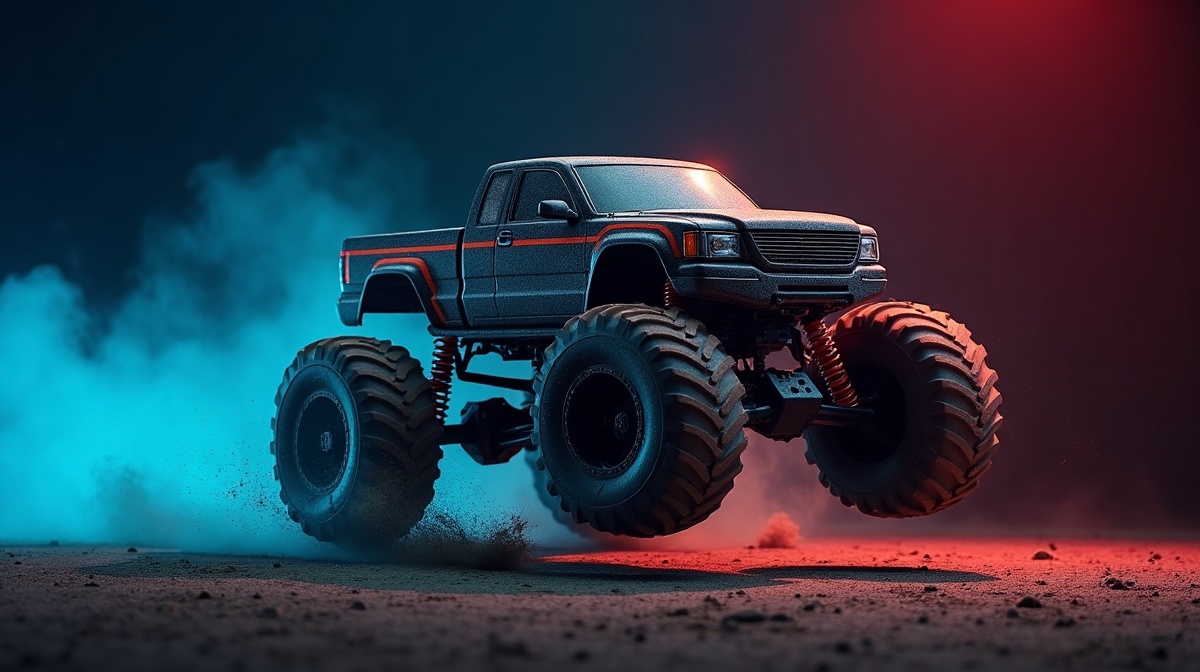
Arrma has quickly become a favorite among bashers for their “Designed Fast, Designed Tough” philosophy. The Granite Voltage is an excellent brushed motor entry-level 2WD monster truck, offering incredible value and durability. It’s a fantastic first monster truck that can take a beating. If you’re looking for a step up in power and speed right out of the gate, the Arrma Granite 3S BLX (1/10 Scale, 4WD, Brushless) is an absolute beast. It’s incredibly fast, handles huge jumps, and is built to withstand serious abuse. Both versions offer excellent ground clearance for off-road antics and provide that classic monster truck look and feel.
3. LaTrax Teton / SST (1/18 Scale Mini Monster Truck / Short Course Truck)
If space is a concern, or you’re buying for younger children, the LaTrax Teton (monster truck) or SST (short course truck) are brilliant choices. These 1/18 scale 4WD RC cars, made by Traxxas, are surprisingly robust and capable for their size. They’re perfect for driving indoors on a rainy day, in smaller backyards, or taking to the park. They come as complete RTR packages, are very easy to operate, and are quite durable despite their compact size. They offer excellent performance for their scale and are a great way to introduce younger enthusiasts to the hobby without the intimidation of a larger, faster vehicle.
4. Redcat Racing Volcano EPX Pro (1/10 Scale Monster Truck)
Redcat Racing often delivers excellent bang for your buck, and the Volcano EPX Pro is a prime example. This 1/10 scale 4WD monster truck is a fantastic budget-friendly option that doesn’t skimp on fun. It typically comes with a brushed motor, making it very controllable for beginners, but has the robust build quality to handle off-road adventures. It’s a great all-around basher that can take on dirt, grass, and gravel with ease. While parts support might not be as widespread as Traxxas, Redcat has a solid online presence for spares, ensuring your Volcano stays roaring.
Practical Tips for New RC Enthusiasts
- Read the Manual: Seriously, it’s boring but vital. It contains crucial information on charging, maintenance, and safe operation specific to your model.
- Start Slow: Resist the urge to go full throttle immediately. Get a feel for the controls, braking, and steering at lower speeds. Use training modes if available.
- Safety First: Always supervise younger drivers. Be mindful of spinning wheels, hot motors, and especially LiPo battery safety protocols during charging and storage.
- Basic Maintenance: After each run, especially in dusty or wet conditions, clean your car. Check for loose screws, inspect suspension components, and clear debris from the gears and motor. A little care goes a long way in extending your RC car’s life.
- Stock Up on Spares: Even the most careful drivers will eventually break something. Having common replacement parts like A-arms, wheel hubs, or body clips on hand will minimize downtime.
- Battery Care: Learn how to properly charge and store your batteries. Overcharging or over-discharging can damage them and pose safety risks.
Frequently Asked Questions (FAQ)
Q: How fast do these RC cars actually go?
A: The speed varies wildly depending on the motor (brushed vs. brushless), battery type, and scale. Entry-level brushed 1/10 scale cars might hit 20-30 mph, while a brushless 1/10 scale car running on LiPo batteries can easily exceed 40-50 mph, sometimes even more! Smaller 1/18 scale cars are typically slower, but still feel quite fast for their size.
Q: What’s the real difference between NiMH and LiPo batteries for me?
A: For you, as a beginner, NiMH batteries are safer, more forgiving, and typically come with most RTR kits. They’re a great start. LiPo batteries, while offering more power and longer run times, require more careful handling and specific charging procedures. Many hobbyists eventually upgrade to LiPo once they’re comfortable with the basics and understand the safety protocols. If you’re buying for a child, NiMH is generally the easier and safer initial choice.
Q: Do I need special tools for maintenance and repairs?
A: Most RTR RC cars come with basic tools (like a small wrench or Allen key). However, a good set of metric hex drivers, a small Phillips head screwdriver, and perhaps a pair of needle-nose pliers will make maintenance and repairs much easier and prevent stripping screw heads. A small brush for cleaning and some motor spray are also very handy.
Q: Where can I drive my RC car?
A: Open spaces are best! Think parks, large backyards, empty parking lots, or even local BMX tracks (if allowed). Avoid busy streets, areas with fragile plants, or places where your RC car could get lost or damaged. Always be respectful of private property and other people enjoying the space. Some areas have dedicated RC tracks or bash spots; check with local hobby shops!
Embarking on the RC car journey is an incredibly rewarding experience. It’s about more than just fast cars; it’s about learning, tinkering, bonding, and creating fantastic memories. With the right beginner-friendly RC car, you’re not just buying a toy – you’re investing in hours of thrilling outdoor adventure and quality time. So, go ahead, pick your beast, charge those batteries, and get ready to create some epic family fun!