
How to Maintain Your RC Car: Essential Care Tips

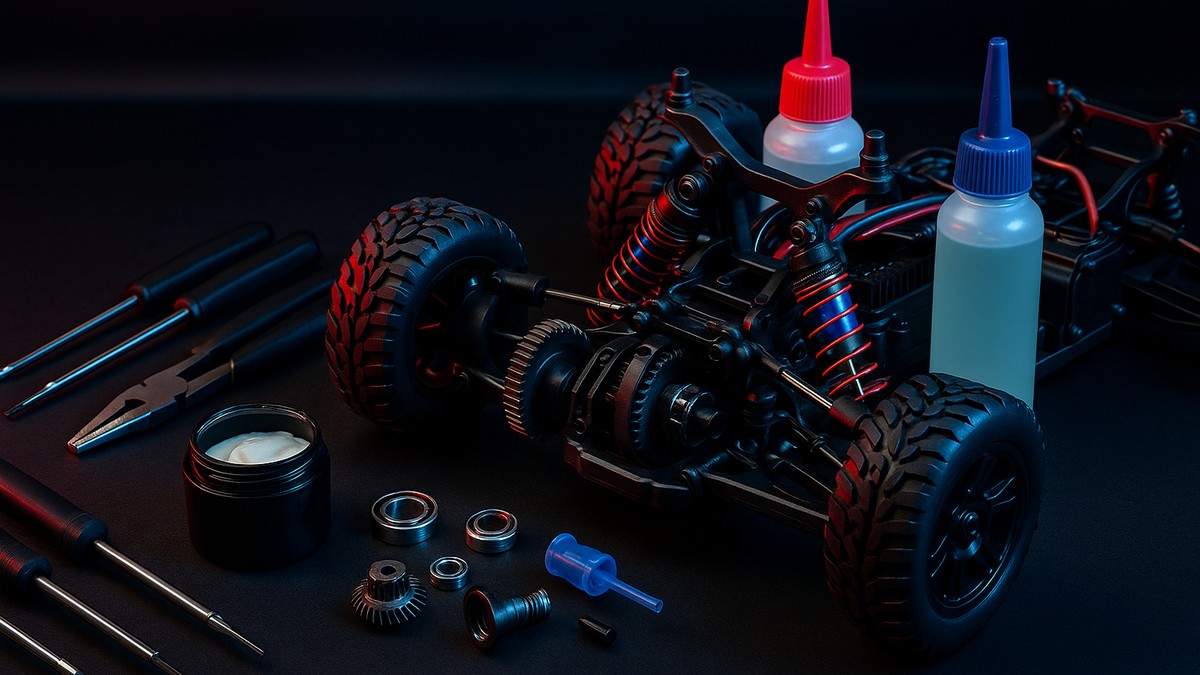
Hey there, fellow speed demon and RC enthusiast! Ever wondered what separates the cars that dominate the track and tear up the backyard from those that constantly sit in the “pit stop” for repairs? It’s not just about horsepower or fancy upgrades – it’s about good old-fashioned maintenance. Think of your RC car as a miniature race car, a precision machine that thrives on care and attention. You want unstoppable speed? You want your rig to last? Then buckle up, because we’re about to uncover the ultimate RC car maintenance secrets that will keep your wheels spinning and your excitement soaring!
Why Maintenance Matters: The Speed Secret You Can’t Ignore
Before we dive into the nuts and bolts, let’s talk about why spending a little time on maintenance is an absolute game-changer. It’s more than just preventing breakdowns; it’s about unlocking your RC car’s full potential.
- Protecting Your Investment: RC cars, from entry-level bashers to high-performance racers, are an investment. Proper care extends their lifespan significantly, saving you money on replacement parts and new models.
- Consistent Performance: A well-maintained car runs smoother, handles better, and delivers consistent power. This means more predictable handling, faster laps, and more reliable jumps.
- Safety First: Loose screws, worn-out parts, or damaged batteries can lead to unexpected failures, potentially damaging your car or even causing minor injuries. Regular checks ensure everything is secure and safe.
- Learning & Bonding: For dads and sons, or any hobbyist, working on your RC car together is a fantastic way to learn about mechanics, problem-solving, and spend quality time. It builds a deeper appreciation for the machine!
The Pre-Run Checklist: Before Every Blast Off!
Just like a pilot checks their aircraft before takeoff, you should give your RC car a quick once-over before every run. This takes minutes but can save hours of frustration.
- Visual Inspection:
- Body: Check for cracks or damage. Ensure body clips are present and secure.
- Screws & Nuts: Quickly scan for any loose or missing screws, especially on suspension arms, shock towers, and the motor mount. A small hex driver set is your best friend here!
- Wires: Look for pinched, frayed, or disconnected wires, especially around the motor, ESC, and battery.
- Battery Check:
- Charge Level: Ensure your battery is fully charged.
- Condition: Inspect the battery pack for any swelling (especially LiPo batteries), punctures, or damaged connectors.
- Secure Fit: Make sure the battery is firmly seated in its tray with the strap or cover securely fastened.
- Tire & Wheel Inspection:
- Tire Condition: Check for punctures, tears, or excessive wear. Are they properly glued to the rims?
- Wheel Nuts: Ensure all wheel nuts are tight. Loose wheels can lead to erratic handling and even detachments.
- Steering & Suspension Check:
- Steering Function: Turn on your car and transmitter. Test the steering left and right. Does it respond smoothly? Is the servo working correctly?
- Suspension Movement: Push down on each corner of the car. Does the suspension compress and rebound smoothly without sticking or excessive looseness? Look for bent shock shafts or broken links.
Post-Run Routine: Winding Down for Longevity
The fun doesn’t stop when the battery dies! A quick post-run clean-up is crucial for long-term health.
- Cleaning is Key:
- Brush Off Debris: Use a soft-bristle brush (an old toothbrush works great!) or a compressed air can to remove loose dirt, grass, and pebbles from the chassis, motor, and suspension.
- Wipe Down: A slightly damp cloth (NOT soaking wet!) can wipe down plastic and metal parts. Avoid getting electronics wet unless your car is specifically designed to be waterproof (like many Traxxas or Arrma bashers).
- Mud & Water: If you ran in mud or water, a more thorough cleaning is necessary. Remove the body and meticulously clean all components, ensuring they are completely dry before storage.
- Lubrication (Where Appropriate):
- Bearings: A tiny drop of light bearing oil on exposed bearings can help repel moisture and reduce friction.
- Drive Shafts: Clean and inspect universal joints. A light application of dry lubricant (PTFE spray) can keep them running smoothly. Avoid excessive wet lubricants as they attract dirt.
- Battery Storage:
- NiMH: Store charged.
- LiPo: Store at a “storage charge” (around 3.8V per cell) – never fully charged or fully discharged for extended periods. Use a LiPo safe bag for storage.
- Shock Inspection: Check for leaks or bent shafts after a particularly hard run.
Deep Dive Maintenance: The Nitty-Gritty for Peak Performance
Periodically (every 5-10 runs, or after particularly harsh conditions), you’ll want to get a little deeper. This is where the real performance gains and longevity come from.
Motor & ESC Care
- Brushed Motor Maintenance:
- Cleaning: Use compressed air to blow out dust and carbon buildup.
- Brush & Commutator: For rebuildable motors, inspect brushes for wear and replace if necessary. The commutator can be cleaned with a commutator stick or cleaner.
- Break-in: New brushed motors often benefit from a gentle break-in procedure.
- Brushless Motor Maintenance:
- Bearings: Brushless motors have internal bearings. Listen for any grinding sounds. Some motors allow for external bearing replacement.
- Cleanliness: Keep the cooling fins free of debris for optimal heat dissipation.
- ESC (Electronic Speed Controller) & Wiring:
- Heat: Ensure the ESC isn’t getting excessively hot. Check for adequate airflow.
- Connections: Inspect all wire connections for corrosion or looseness. Secure any loose connections.
Drivetrain Dominance
- Gear Inspection:
- Spur Gear: This large gear on your transmission takes a lot of abuse. Look for stripped teeth, cracks, or excessive wear.
- Pinion Gear: The small gear on your motor shaft. Check for wear and ensure it’s securely fastened to the motor shaft.
- Mesh: Proper gear mesh (the spacing between the spur and pinion) is critical. It should have a tiny bit of play – like a piece of paper slipped between them. Too tight causes friction; too loose strips teeth.
- Differential Gears: If your car allows, periodically open the diffs to inspect the internal gears for wear and refresh the diff fluid/grease. This significantly impacts handling.
- Drive Shafts & Bearings:
- Drive Shafts: Check universal joints, dog bones, or CVDs for bends, excessive wear, or dirt buildup. Clean and apply a dry lubricant if needed.
- Bearings: Spin each wheel and listen for grinding. Worn bearings increase friction and can lead to damage. Replace any rough-feeling bearings. For sealed bearings, you might be able to carefully remove the seal, clean with motor cleaner, and re-grease.
Suspension & Steering Savvy
- Shocks & Springs:
- Leaks: Check for oil leaks around the shock caps and shafts. Leaking shocks need to be rebuilt with new O-rings and fresh shock oil.
- Bent Shafts: Inspect shock shafts for bends or nicks. Replace if damaged.
- Oil Weight: Changing shock oil weight can dramatically alter handling. Lighter oil for faster response, heavier for more damping.
- Servo & Linkages:
- Servo Horn: Ensure the servo horn (the arm attached to the servo) is tight and not stripped.
- Linkages: Check all steering and suspension linkages for bends or excessive slop. Tighten or replace as needed.
- Servo Function: Listen for any unusual noises from the servo. If it’s struggling, it might be time for a replacement.
Essential Tools & Supplies for Your Pit Crew
Having the right tools makes maintenance a breeze and more enjoyable.
- Basic Hand Tools:
- Hex Drivers: A good set of metric hex drivers (1.5mm, 2.0mm, 2.5mm, 3.0mm are common) is absolutely essential.
- Nut Drivers: For wheel nuts and other hex-head fasteners.
- Pliers: Needle-nose and regular pliers for various tasks.
- Hobby Knife/Box Cutter: For trimming bodies, opening packages.
- Cleaning Supplies:
- Soft-bristle brush (old toothbrush)
- Compressed air duster
- Microfiber cloths
- Motor cleaner (for brushed motors)
- Lubricants & Fluids:
- Bearing Oil: Light oil for metal bearings.
- Shock Oil: Various weights (e.g., 20wt, 30wt, 40wt) for tuning.
- Diff Grease/Fluid: Specific to your differential type.
- Threadlock: Blue (medium strength) for metal-to-metal screws that tend to vibrate loose (e.g., motor mount screws, wheel nuts).
- Specialty Tools (Optional but Recommended):
- Shock Pliers: Helps hold shock shafts without damaging them.
- Body Reamer: For making clean holes in lexan bodies.
- Tire Glue: If you run into issues with tires coming unglued.
- Soldering Iron: If you plan on doing any wiring repairs or upgrades.
What to Look For: Choosing Durable RC Cars for Easier Maintenance
When you’re buying a new RC car, especially for younger enthusiasts, some features can make maintenance much simpler.
- Quality Materials: Look for cars with durable plastics (often reinforced nylon) and metal components in high-stress areas like suspension arms, shock towers, and drivetrain. Brands like Traxxas, Arrma, and Axial are known for their robust builds.
- Modularity & Parts Availability: A car designed with easily replaceable modules (e.g., a power module that combines motor, ESC, and spur gear) makes repairs quicker. Also, ensure parts are readily available from the manufacturer and hobby shops. This is a big plus for popular brands.
- Waterproofing/Water-resistance: Many modern bashers (e.g., Traxxas Slash, Arrma Senton) boast water-resistant electronics (ESC, receiver, servo). This dramatically reduces the stress of cleaning after a wet run, but always remember “water-resistant” doesn’t mean “submersible”!
- Ease of Access: Can you easily get to the motor, gears, and suspension components for cleaning and inspection without completely disassembling the car? This is a huge time-saver.
- Brushed vs. Brushless: While brushless systems offer more power and require less motor maintenance, they are often more powerful and can put more stress on the rest of the drivetrain, potentially requiring more frequent checks elsewhere. For beginners, brushed systems (like those found in many LaTrax or smaller Redcat models) are often more forgiving.
Top Picks for Durability & Fun (and Easier Maintenance!)
Here are a few RC car recommendations that are great for bashing, offer good durability, and are generally user-friendly for maintenance, fitting our target audience perfectly:
- Traxxas Slash (1/10 Scale Short Course Truck): A legendary basher, the Slash is known for its incredible durability, readily available parts, and relatively easy maintenance. Its modular design makes swapping components straightforward. Excellent for all skill levels.
- Arrma Senton 3S BLX (1/10 Scale Short Course Truck): Arrma has made a name for itself with extremely tough vehicles. The Senton offers powerful brushless performance in a short course package. Its robust chassis and easily accessible drivetrain components make maintenance less of a chore.
- LaTrax Teton (1/18 Scale Monster Truck): For younger drivers or those with smaller spaces, the LaTrax Teton is a fantastic entry point. It’s tough, fun, and its smaller size makes it very approachable for initial maintenance tasks without feeling overwhelming. Parts are easy to manage.
- Redcat Gen8 V2 International Scout II (1/10 Scale Crawler): If slow, technical crawling is more your style, the Gen8 is a fantastic choice. While its purpose is different from a speed basher, Redcat has designed it with excellent access to its drivetrain and electronics, making it easy to clean and maintain its many moving parts.
- Axial SCX24 (1/24 Scale Crawler): Perfect for indoor fun or backyard adventures, the SCX24 series is tiny but mighty. Its small scale means components are small, but they are also very accessible for cleaning and simple repairs, making it an excellent way to learn RC mechanics without huge commitments.
Frequently Asked Questions (FAQ)
Q: How often should I clean my RC car?
A: A quick brush-off and visual inspection should happen after every run, especially if you ran in dirt or dust. A more thorough cleaning and inspection (like checking gears and bearings) is recommended every 5-10 runs, or whenever you notice a performance drop or unusual noises. If you run in mud or water, clean immediately and thoroughly afterward.
Q: What’s the difference between brushed and brushless motor maintenance?
A: Brushed motors have physical brushes and a commutator that wear down over time. They require periodic cleaning of carbon dust and, eventually, brush and commutator replacement for rebuildable motors. Brushless motors, conversely, have no physical contact components, making them virtually maintenance-free internally. Your main concern with brushless motors is keeping them cool and ensuring their bearings are smooth.
Q: Can I use WD-40 for lubrication on my RC car?
A: Generally, no. WD-40 is primarily a water displacement and penetrant, not a long-lasting lubricant. It can attract dirt, gunk up moving parts, and potentially damage plastics or rubber over time. For bearings, use specific bearing oil. For plastic-on-plastic friction, use a dry PTFE lubricant or silicone grease. For metal-on-metal gears, use appropriate gear grease.
Q: My RC car feels sluggish, what should I check first?
A: Start with the basics:
- Battery: Is it fully charged and in good condition?
- Motor: Is it excessively hot? If brushed, are the brushes worn? If brushless, are the bearings rough?
- Gear Mesh: Is the spur and pinion gear mesh too tight, causing binding?
- Bearings: Do any wheels or drivetrain components feel rough when spun by hand? Worn bearings create a lot of drag.
- Binding: Is anything physically binding in the drivetrain or suspension (e.g., a bent shock shaft, debris in the gears)?
These simple checks often reveal the culprit.
There you have it! The secrets to keeping your RC car in prime condition, ready to tackle any terrain with unstoppable speed and reliability. From quick pre-run checks to deep-dive maintenance, every step you take adds to the thrill and longevity of your RC adventures. Embrace the maintenance, enjoy the process, and get ready to blast off with confidence. Happy bashing!
Explore More RC Guides & Gear
Ready to dive deeper? Check out these related guides and shop our hand-picked RC collection:
Similar Car Picks
🏁 Don't Overpay for Your Kid's Next RC Toy
Get our free Dad's RC Buying Guide + weekly deal alerts on the best RC cars, trucks & drones. No spam, just the good stuff.