Best Hobby-Grade RC Cars: Top Picks for 2026

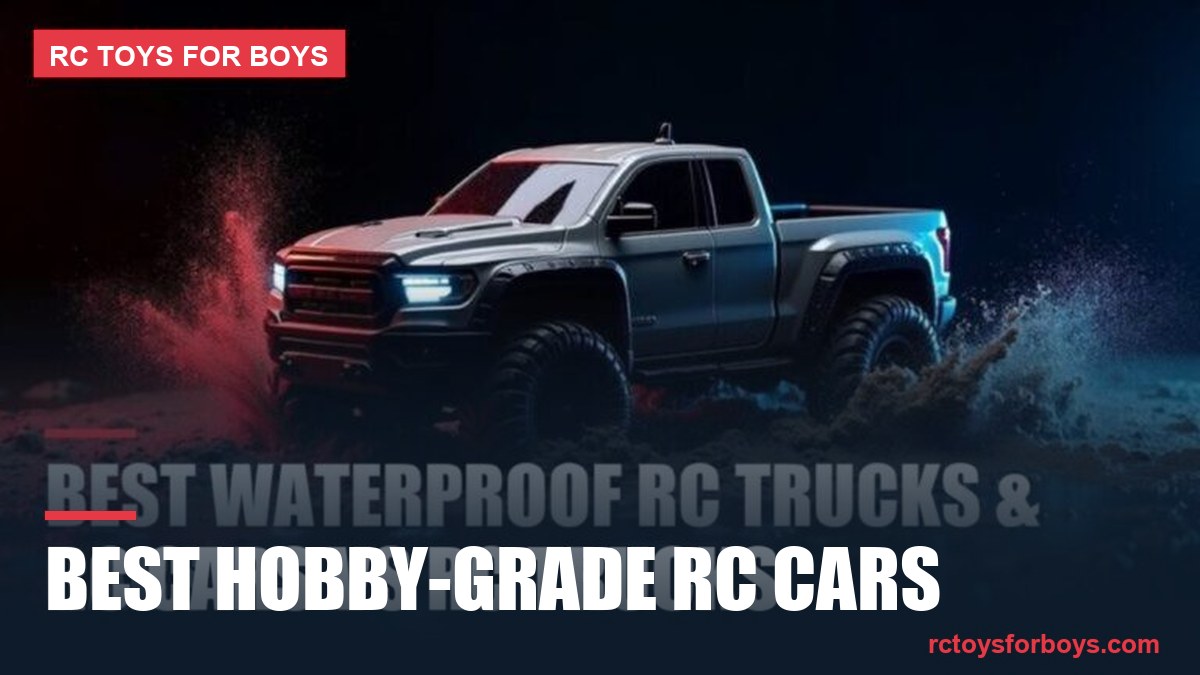
If you have spent any time pushing a battery-powered car around the driveway only to watch it crack at the first curb, you already understand the pull toward something tougher. The best hobby grade RC car is built on a completely different philosophy than the sealed plastic toys most of us start with: real parts, real performance, and a design that expects you to keep running it for years. This guide breaks down what hobby-grade actually means, why it earns its higher price, and how to choose your first one without overspending or guessing.
What “Best Hobby Grade RC Car” Really Means
“Hobby-grade” is not a marketing badge. It describes how the vehicle is engineered and supported. A hobby-grade car uses a separate, replaceable electronic speed control (ESC), a dedicated motor, and a real steering servo instead of a single sealed circuit board doing everything at once. When something wears out or breaks, you order that one part and swap it. Compare that to a toy, where a stripped gear usually means the whole car is done.
The short version: hobby-grade cars are repairable, tunable, and built from standardized components. If you want the full breakdown, our toy-grade vs hobby-grade RC cars comparison walks through the differences line by line.
The core components you are actually paying for
- ESC: Controls how power flows from the battery to the motor, giving smooth throttle and braking instead of a crude on/off jolt.
- Motor: Either a brushed motor (simple, affordable, beginner-friendly) or a brushless motor (faster, more efficient, longer-lasting).
- Servo: Delivers precise, proportional steering so you can hold a clean line instead of fighting twitchy controls.
- Receiver and transmitter: A proportional radio system that translates how far you squeeze the trigger or turn the wheel into matching speed and steering.
Why Hobby-Grade Is Worth the Money
The sticker price is higher, but the value sits in what happens after you buy. These are the reasons enthusiasts rarely go back to toys.
Replaceable parts mean it lasts for years
Every wear item, from drive shafts to suspension arms to gears, is sold separately. A hard crash that would retire a toy is simply a parts order and a few minutes with a hex driver. That repairability is the single biggest reason a hobby-grade car can stay on the road far longer than anything off a big-box shelf.
Real durability under real abuse
Hobby-grade chassis are designed around impact. Expect composite or aluminum parts, sealed bearings, oil-filled shocks, and suspension geometry that soaks up jumps and curbs. The build quality is the whole point: these cars are meant to be driven hard, not babied.
Upgradeable as your skills grow
Because parts follow common standards, you can step up motors, add metal gears, swap in stronger shocks, or fit better tires as you improve. The car evolves with you rather than capping out. If you are weighing performance platforms for grown-up driving, our guide to the best RC cars for adults is a useful next read.
What to Look For in Your First Hobby-Grade Car
Before you buy, run through this checklist so you end up with a car that matches how and where you plan to drive.
- Ready-to-Run (RTR): Most first cars come assembled with electronics installed, so you only add a battery and charger. This is the easiest entry point.
- Scale and size: Larger scales like 1/10 and 1/8 are more durable and easier to see at speed; smaller scales are more affordable and fit tighter spaces.
- 2WD vs 4WD: 2WD is cheaper and simpler to maintain, while 4WD offers more grip and control on rough or loose surfaces.
- Brushed vs brushless: Brushed is forgiving and budget-friendly for learning; brushless rewards you later with more speed and efficiency.
- Parts availability: Pick a brand and model with spares you can actually find, so a broken part is a quick fix rather than a dead end.
- Where you will drive: Pavement, grass, dirt, and rock all favor different designs, which leads directly into types.
The Best Types of Hobby-Grade RC Cars
There is no single best hobby grade RC car for everyone, because the right pick depends on terrain and driving style. These are the main categories worth knowing.
Bashers (monster trucks and stadium trucks)
Bashers are the all-terrain, jump-everything category. They are tough, forgiving, and the most fun for sheer backyard chaos, which makes them the most popular starting point for newcomers stepping up from toys.
Short-course trucks
Modeled after off-road race trucks, short-course rigs wear protective body panels and handle a mix of dirt, grass, and light jumps. They balance durability with racing roots and forgive plenty of beginner mistakes.
Rock crawlers
Crawlers trade speed for torque and articulation. They creep over rocks, roots, and obstacles at low speed, rewarding patience and precise throttle control rather than flat-out pace. Great if technical challenge appeals more than top speed.
Touring and on-road cars
Built for smooth pavement, touring cars deliver high speed and sharp, grippy handling. They are the choice for carving parking lots and tracks, though they need a clean surface to perform their best.
Hobby-Grade Types Compared
| Type | Best Surface | Best For | Beginner Friendly |
|---|---|---|---|
| Basher (monster/stadium truck) | Dirt, grass, mixed | All-around fun and jumps | Yes |
| Short-course truck | Dirt, grass, light track | Durable off-road with race style | Yes |
| Rock crawler | Rocks, trails, obstacles | Slow technical scaling | Moderate |
| Touring / on-road | Pavement, smooth track | High-speed handling | Moderate |
Budget Tiers: What to Expect at Each Level
You do not need a top-shelf machine to get the hobby-grade experience. Spending generally falls into three broad tiers, and each one is a legitimate place to start.
Entry tier
The most affordable hobby-grade cars are typically RTR, brushed-power, and often 2WD. They deliver genuine repairability and tuning without a steep cost, which makes them ideal for a first purchase and for learning how the parts fit together.
Mid tier
Stepping up adds brushless power, frequently 4WD, better shocks and bearings, and stronger drivetrains. This is the sweet spot where many drivers settle, balancing real performance against cost while keeping a wide upgrade path open.
Premium tier
At the top, you find race-ready and large-scale platforms with high-end materials, advanced electronics, and the widest selection of hop-up parts. These reward experienced drivers who want maximum performance and customization. Brand rivalries matter most here, and our Traxxas vs Arrma breakdown helps you weigh two of the biggest names.
Whichever tier you choose, the hobby-grade payoff is the same: a car you fix, tune, and keep instead of replace. When you are ready to start comparing models, browse our full lineup of RC cars and match a platform to the terrain you actually drive on.
Frequently Asked Questions
Is a hobby-grade RC car worth it for a complete beginner?
Yes. A ready-to-run, brushed, 2WD basher gives a beginner an easy entry point while still offering replaceable parts and upgrades. You get a car that survives learning crashes and grows with you, rather than one you outgrow or break in a week.
What is the difference between brushed and brushless motors?
Brushed motors are simpler, cheaper, and very forgiving, which makes them great for learning. Brushless motors are faster, more efficient, and last longer because they have no brushes to wear down, but they usually cost more and suit drivers who want extra speed.
Do I need 4WD, or is 2WD enough to start?
2WD is cheaper, lighter, and simpler to maintain, making it a solid first choice for learning car control. 4WD provides more traction and stability on loose or rough surfaces, so it is worth the extra cost if you plan to drive off-road frequently.
How long does a hobby-grade RC car last?
Because every wear part is replaceable, a well-maintained hobby-grade car can last for years. Crashes lead to part swaps rather than a trip to the trash, and you can keep upgrading components over time, so the platform stays usable far longer than a toy.
What should I buy first to go with my new car?
Most ready-to-run cars need a compatible battery and charger, which are sometimes sold separately. It also helps to keep basic hand tools and a few common spare parts on hand so a minor break does not end your driving session.
Similar Car Picks
🏁 Don't Overpay for Your Kid's Next RC Toy
Get our free Dad's RC Buying Guide + weekly deal alerts on the best RC cars, trucks & drones. No spam, just the good stuff.