Best RC Cars for Kids Ages 6-14: Top Picks by Age

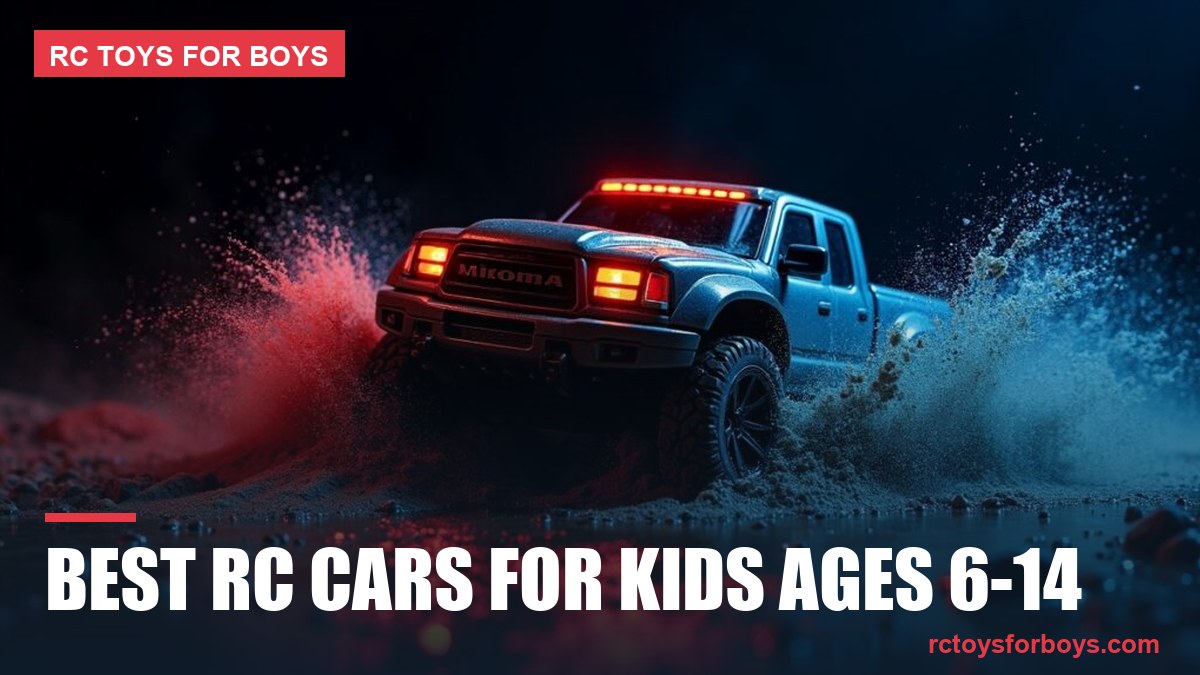
There’s a special kind of magic that happens when you hand a child the controller to their first remote-controlled car. It’s not just about speed and jumps; it’s about shared excitement, developing skills, and creating lasting memories. For dads looking to introduce their sons (and daughters!) to a thrilling hobby, or for ambitious young hobbyists aged 6-14 eager to dive in, the world of RC cars offers an incredible playground of fun and learning. But with so many options, from tiny indoor racers to monstrous off-road bashers, choosing the right one can feel overwhelming. Don’t worry, friend, I’ve been there, and I’m here to guide you through the exciting world of RC, helping you pick the perfect machine to master fun!
Why RC Cars Are More Than Just Toys
Before we get into the nuts and bolts of choosing a car, let’s talk about why RC is such a fantastic hobby for families and young enthusiasts. It goes far beyond simply pushing a button.
- Skill Development: Operating an RC car sharpens hand-eye coordination, depth perception, and reaction times. Maneuvering through obstacles or around a homemade track is a surprisingly demanding skill.
- Problem-Solving & Mechanics: When something inevitably breaks (it’s part of the fun!), kids learn basic mechanics, troubleshooting, and patience. Changing a broken suspension arm or adjusting a steering linkage fosters a sense of accomplishment and understanding of how things work.
- Family Bonding: RC cars are a fantastic way for dads and kids to spend quality time together. Whether it’s racing, building a track, or working on repairs in the garage, it’s a shared activity that builds connections.
- Outdoor Activity: Many RC cars thrive outdoors, encouraging kids to get off screens and into the fresh air, exploring parks, dirt tracks, or even just the backyard.
- Introduction to Engineering: For older kids, understanding how motors, gears, suspension, and electronics work in an RC car can spark an early interest in engineering and physics.
What to Look For in an RC Car for Kids 6-14
Navigating the vast RC market requires knowing what features truly matter for young drivers. Here’s a breakdown of the key considerations:
1. Durability: The Golden Rule
This is paramount. Kids are naturally enthusiastic and, let’s be honest, a little clumsy. Their RC cars will crash, jump, and tumble. Look for models made from robust plastics (like nylon composite), metal components in high-stress areas, and designs that protect internal electronics. Brands known for their durability are a good starting point.
2. Ease of Use and Control
For younger kids (6-10), a simple pistol-grip controller with intuitive steering and throttle is best. Some models offer speed settings or “training modes” that limit top speed, allowing beginners to learn control without getting overwhelmed. Older kids (11-14) can handle more responsive controls and faster speeds.
3. Power System: Brushed vs. Brushless
- Brushed Motors: These are standard in entry-level RC cars. They’re generally less expensive, easier to maintain, and offer more manageable speeds for beginners. They typically run cooler but have parts (brushes) that wear out over time, though replacements are cheap and easy. Perfect for ages 6-10.
- Brushless Motors: Found in more advanced and faster cars. Brushless systems are more efficient, more powerful, require less maintenance, and offer blistering speeds. They’re also more expensive. For ages 11-14 who have some experience, a brushless system can be a thrilling upgrade, but make sure the car has good durability to match the speed!
4. Battery Type & Charger
- NiMH (Nickel-Metal Hydride): Common for entry-level cars. They are robust, generally safer, and require simpler chargers. Runtime is decent, and they’re forgiving if not perfectly maintained. A great choice for younger kids.
- LiPo (Lithium Polymer): Offer higher power output, longer run times, and lighter weight. However, they require special chargers, careful handling, and storage to prevent damage or fire risks. For experienced older kids or dads who understand the safety protocols. Many cars offer both options, but if starting out, NiMH is simpler.
5. Scale Size: Where Will You Run It?
RC cars come in various scales, indicating their size relative to a full-sized vehicle.
- 1/18 Scale: Smaller and more manageable for tighter spaces like backyards or even indoors. Often very agile and a good entry point for younger kids.
- 1/16 Scale: A good middle ground, offering a bit more presence than 1/18 but still relatively compact.
- 1/10 Scale: The most popular and versatile size. These cars handle rougher terrain better, offer more stability, and have a wider range of parts and upgrades available. They need more space to run but provide a true “hobby-grade” experience.
6. Water Resistance
Look for “waterproof” or “water-resistant” electronics. This means the servo, ESC (Electronic Speed Controller), and receiver are sealed to protect against splashes, puddles, and snow. It vastly increases the versatility and fun, especially if you plan on outdoor adventures.
7. Parts Availability & Support
No matter how durable, parts will eventually break. Choosing a brand with readily available spare parts (online and at local hobby shops) is crucial for keeping the fun going. Brands like Traxxas, Arrma, and Redcat excel here. Good customer support is a bonus!
Top RC Car Picks for Family Fun
Based on durability, ease of use, performance, and parts support, here are some excellent recommendations for dads and kids aged 6-14, ranging from beginner-friendly to more advanced bashers.
1. For the Youngest Enthusiasts (Ages 6-9): LaTrax Teton / SST (1/18 Scale)
- Why it’s great: Made by Traxxas, LaTrax vehicles are known for their impressive durability in a smaller package. The Teton is a 4WD monster truck, while the SST is a short course truck. They are tough, relatively inexpensive, and perfect for backyard bashing without being overwhelmingly fast. Their 1/18 scale makes them manageable for smaller hands and smaller running spaces. Fully waterproof electronics mean puddles are part of the fun.
- Key Features: 4WD, brushed motor, NiMH battery, waterproof electronics, compact size.
2. The Iconic Starter Basher (Ages 8-12): Traxxas Stampede 2WD XL-5 (1/10 Scale)
- Why it’s great: The Stampede is legendary for a reason. It’s a 2WD monster truck that’s incredibly durable, relatively easy to control (especially with its included training mode), and has an enormous aftermarket support network. It’s a fantastic platform to learn on, and parts are cheap and everywhere. The XL-5 version comes with a brushed motor and NiMH battery, making it perfect for beginners.
- Key Features: 1/10 scale, 2WD, brushed motor, NiMH battery, waterproof electronics, high ground clearance, Traxxas’s patented training mode.
3. Versatile Short Course Fun (Ages 9-14): Traxxas Slash 2WD XL-5 (1/10 Scale)
- Why it’s great: Another Traxxas superstar, the Slash is the best-selling short course truck for a reason. Its low-slung chassis and independent suspension make it incredibly stable and fun to drive, mimicking full-size race trucks. It shares many durable components with the Stampede, offering excellent parts availability and ease of repair. The 2WD XL-5 version is a fantastic entry point, providing great speed and handling for intermediate drivers. It’s also a popular platform for club racing if your child gets competitive!
- Key Features: 1/10 scale, 2WD, brushed motor, NiMH battery, waterproof electronics, realistic short course truck body.
4. Stepping Up to Brushless Power (Ages 11-14): Arrma Granite/Senton 3S BLX (1/10 Scale)
- Why it’s great: If your child is ready for serious speed and power, Arrma’s 3S BLX line is a phenomenal choice. The Granite 3S BLX is a monster truck, while the Senton 3S BLX is a short course truck. Both feature durable composite chassis, robust drivetrains, and a powerful brushless motor system that can handle 3S LiPo batteries for exhilarating speeds. Arrma is known for its “bash-proof” design philosophy, making these very resilient. While faster, they are still manageable for experienced young drivers.
- Key Features: 1/10 scale, 4WD, powerful brushless motor, LiPo ready (can also use NiMH), extremely durable, waterproof electronics.
5. For the Technical Trail Adventurer (Ages 12-14 & Dads): Redcat Gen8 Scout II / Axial SCX24 (Crawler)
- Why it’s great: This is a different kind of fun! RC crawlers are about slow-speed technical driving over rocks and obstacles, not raw speed. The Redcat Gen8 Scout II is a full-size (1/10 scale), highly capable crawler with a focus on realism and aftermarket support. For a smaller, more indoor/backyard friendly option, the Axial SCX24 (1/24 scale) micro crawler is incredibly fun and surprisingly capable for its size, perfect for building indoor courses. Crawling teaches patience, precision, and problem-solving, making it a great alternative or addition to speed-focused RC.
- Key Features (Gen8): 1/10 scale, 4WD, portal axles, waterproof electronics, highly tunable suspension, realistic hard body.
- Key Features (SCX24): 1/24 scale, 4WD, highly articulated suspension, small size for indoor/desk adventures.
Tips for a Great RC Experience
Getting the right car is just the beginning. Here are some tips to maximize the fun and longevity of your RC adventures:
- Read the Manual: Seriously, it contains vital information on charging, maintenance, and safe operation.
- Charge Batteries Safely: Always use the correct charger for your battery type. Never leave LiPo batteries unattended while charging, and charge them in a safe, fire-resistant area or bag.
- Clean After Every Run: Remove dirt, grass, and debris from the chassis, suspension, and motor. Compressed air, a soft brush, and a damp cloth work wonders.
- Perform Quick Checks: Before and after each run, check for loose screws, damaged parts, or tangled debris in the wheels/drivetrain.
- Run in Safe Areas: Choose open spaces away from traffic, pedestrians, and pets. RC cars can be fast and cause damage or injury if not handled responsibly.
- Learn Basic Maintenance: Knowing how to replace common parts like suspension arms, drive shafts, or even a motor will save you money and keep the car running. YouTube is your friend here!
- Spare Battery = More Fun: Having at least one extra charged battery doubles your run time and keeps the excitement going.
Frequently Asked Questions
Q1: Brushed vs. Brushless – which is better for us?
A: For beginners, especially younger kids (6-10), a brushed motor system is highly recommended. It offers more manageable speeds, is more forgiving, and is generally less expensive to repair or replace. For older kids (11-14) who have some experience and are looking for serious speed and performance, a brushless motor system is an excellent upgrade, but it comes with a higher initial cost and requires more careful handling.
Q2: NiMH vs. LiPo batteries – what’s the difference and which should I choose?
A: NiMH (Nickel-Metal Hydride) batteries are common for entry-level RC cars. They are safer, more robust, and easier to charge, making them ideal for younger users. LiPo (Lithium Polymer) batteries offer higher power output, longer runtimes, and are lighter. However, they require specific LiPo-compatible chargers, careful storage, and more stringent safety protocols to prevent damage or fire. For starting out, NiMH is simpler and safer. If you move to LiPo, ensure you understand and follow all safety guidelines.
Q3: Do I need spare parts right away?
A: Not necessarily *right away*, but it’s a good idea to identify common break points for your chosen model and perhaps keep a few key spares on hand. Suspension arms, body clips, and maybe a set of wheels are often good starting points. However, the most important thing is choosing a brand with excellent parts availability, so when something does break, you can quickly order a replacement and get back to action.
Q4: Where’s the best place to run an RC car?
A: The best places are open, uncrowded areas. Local parks, empty parking lots (be mindful of traffic!), dirt fields, or even your own backyard are great options. Avoid running near busy roads, crowded playgrounds, or delicate flowerbeds. Always be aware of your surroundings and any local regulations regarding RC vehicle use. Many cities also have dedicated RC tracks or clubs, which can be a fantastic way to meet other enthusiasts and gain access to great running environments.
Conclusion
The world of RC cars is an exhilarating hobby that offers so much more than just remote-controlled entertainment. It’s a gateway to learning, a catalyst for family bonding, and an incredible way to develop new skills. Whether you choose a rugged monster truck for backyard bashing or a nimble short course racer for the track, the most important thing is to have fun, embrace the learning process, and enjoy the thrill of mastering your machine. So grab a controller, charge those batteries, and get ready to create some unforgettable memories with your favorite little co-pilot. The asphalt (or dirt!) awaits!
Similar Off-road Picks
🏁 Don't Overpay for Your Kid's Next RC Toy
Get our free Dad's RC Buying Guide + weekly deal alerts on the best RC cars, trucks & drones. No spam, just the good stuff.