Unleash Max Speed: 5 RC Car Upgrades Worth Buying Right Now

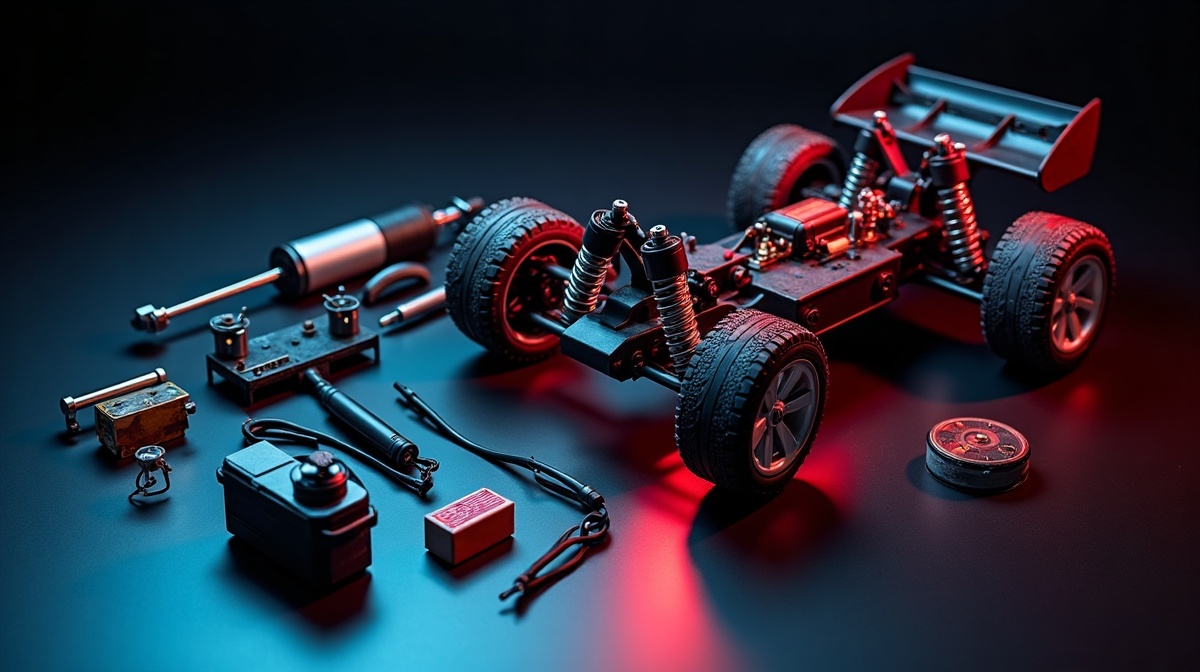
Alright, fellow RC fanatics, listen up! You know that feeling, right? That itch for just a little more juice, a touch more “oomph” when your RC car screams past? Maybe you’re a dad looking to supercharge your son’s bash machine, or a teen dreaming of leaving your buddies in the dust. Whatever your motivation, the quest for maximum speed in the RC world is a thrilling journey, and I’m here to be your seasoned guide.
Stock RC cars are incredibly fun, no doubt. They offer a fantastic entry point into the hobby, providing countless hours of entertainment right out of the box. But for those who crave heart-pounding acceleration and blur-inducing top speeds, there comes a point where you need to look beyond the factory setup. The good news? The aftermarket is brimming with incredible upgrades that can transform your RC car from a spirited runner into an absolute rocket. Forget incremental gains; we’re talking about game-changing modifications that will redefine what your vehicle is capable of. From the sheer power delivery to putting that power cleanly to the ground, we’re going to dive into the five most impactful upgrades that are absolutely worth buying right now to unleash the beast within your RC car.
1. Brushless Motor & ESC Combo: The Powerhouse Upgrade
If you’re serious about speed, this is where you start. Period. Most entry-level RC cars come with “brushed” motor systems. While reliable and cost-effective, they simply can’t compare to the raw power, efficiency, and longevity of a “brushless” system. Think of it like swapping a standard V6 engine for a twin-turbo V8 – the difference in performance is monumental and immediately noticeable.
Brushless motors operate using electromagnets instead of brushes, eliminating friction and wear points inherent in brushed designs. This translates to significantly higher RPMs, less heat generation, virtually no maintenance, and a smooth, consistent power band that brushed motors can only dream of. Paired with a compatible Electronic Speed Controller (ESC), a brushless system is the single biggest leap you can make towards blistering top speeds. These systems come in various Kv ratings (thousands of RPMs per volt) and physical sizes, designed for different scales like 1/10, 1/16, and even smaller 1/18 vehicles. A higher Kv generally means more top speed, but it’s crucial to match the motor and ESC correctly to your vehicle’s size, weight, and intended use to avoid overheating, premature wear, or even damaging your electronics.
What to Look For:
- Kv Rating: This is a measure of how many RPMs the motor will spin per volt. Higher Kv motors provide more speed but less torque, making them ideal for speed runs on flat surfaces. Lower Kv motors offer more torque for off-road bashing or heavier vehicles. For pure speed, aim for higher Kv within your ESC’s limits.
- ESC Amperage Rating: Ensure the ESC can handle the continuous and burst current draw of the motor. It’s always a good practice to over-spec the ESC slightly for added reliability and cooler operation, especially under strenuous speed runs.
- Waterproof/Water-Resistant: A huge plus if you plan to run in diverse conditions, through puddles, or on wet grass. Many modern systems from leading brands like Traxxas and Arrma now offer excellent water protection.
- Built-in Fan/Cooling Fins: Helps dissipate heat more effectively, which is absolutely crucial for high-speed applications where motors and ESCs work extremely hard and generate significant heat.
- Sensor vs. Sensorless: Sensorless brushless systems are very common, offer great power, and are usually more affordable. Sensored systems provide smoother low-speed control and are often preferred by competitive racers, but for pure speed runs and general bashing, sensorless is perfectly adequate and incredibly powerful.
Top Picks:
- Traxxas Velineon Brushless Power System: A fantastic all-in-one upgrade for many Traxxas models like the Rustler 4×4, Bandit, or Stampede 2WD/4WD. Known for its impressive power, plug-and-play reliability, and often waterproof design.
- Arrma BLX Brushless Systems: Found in various high-performance Arrma vehicles from the Granite to the Infraction. These are robust, durable systems perfect for their respective platforms and often come with excellent cooling.
- Hobbywing EZRun Series: A widely respected aftermarket option offering excellent performance and value across various scales. The EZRun MAX series (e.g., MAX10, MAX8) provides robust power for different vehicle sizes and applications.
- Castle Creations Sidewinder/Mamba Series: High-performance, highly tunable systems known for their extreme power and advanced features, often a choice for experienced hobbyists pushing the absolute limits of speed.
Remember, when upgrading to brushless, you’ll almost certainly need to also upgrade your battery system (see next section) to truly harness the power a brushless system offers.
2. LiPo Batteries & Charger: Unleash the Energy
A powerful motor is like a racing engine; it’s useless without a powerful, consistent energy source. If you’re still running Nickel-Metal Hydride (NiMH) batteries, upgrading to Lithium Polymer (LiPo) batteries is a mandatory step for unlocking maximum speed and extended run times. LiPo batteries offer a significantly higher discharge rate (C-rating), meaning they can deliver more current to your motor faster, resulting in snappier acceleration and sustained top speed. They are also noticeably lighter than NiMH packs of comparable capacity, which is a significant bonus for overall performance and a better power-to-weight ratio crucial for speed.
LiPo batteries come in various cell counts (e.g., 2S, 3S, 4S), where ‘S’ indicates the number of cells in series. More ‘S’ cells mean higher voltage, which directly translates to higher motor RPM and thus more speed, assuming your ESC and motor can handle it. Most 1/10 scale vehicles will comfortably run on 2S or 3S LiPo, while larger, more powerful vehicles might use 4S or even 6S. Always, always check your RC car